



Indigo

Aurora Bliss

Every spring, the highest reaches of Oman's Jabal Akhdar mountain are enveloped in the fragrance of the iconic Damask rose. Cultivated by a few farmers, these roses are the secret to the country's famed fragrance heritage.

Luxury Stay

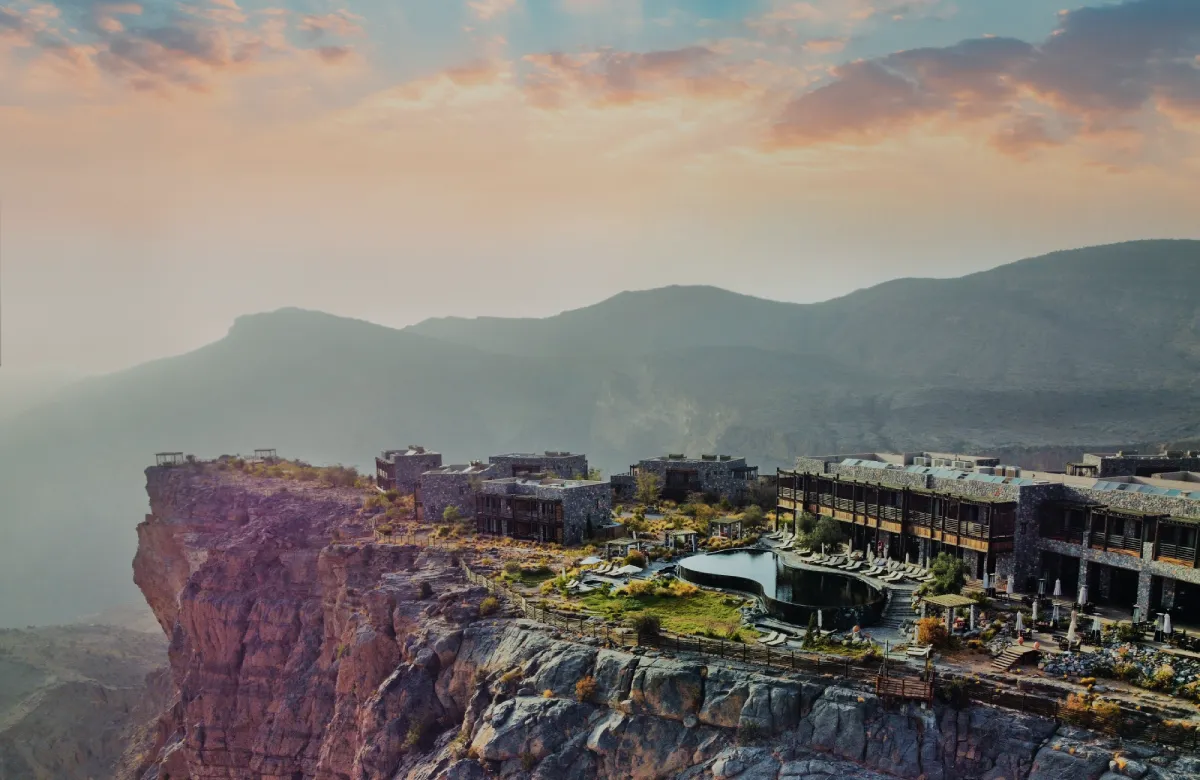
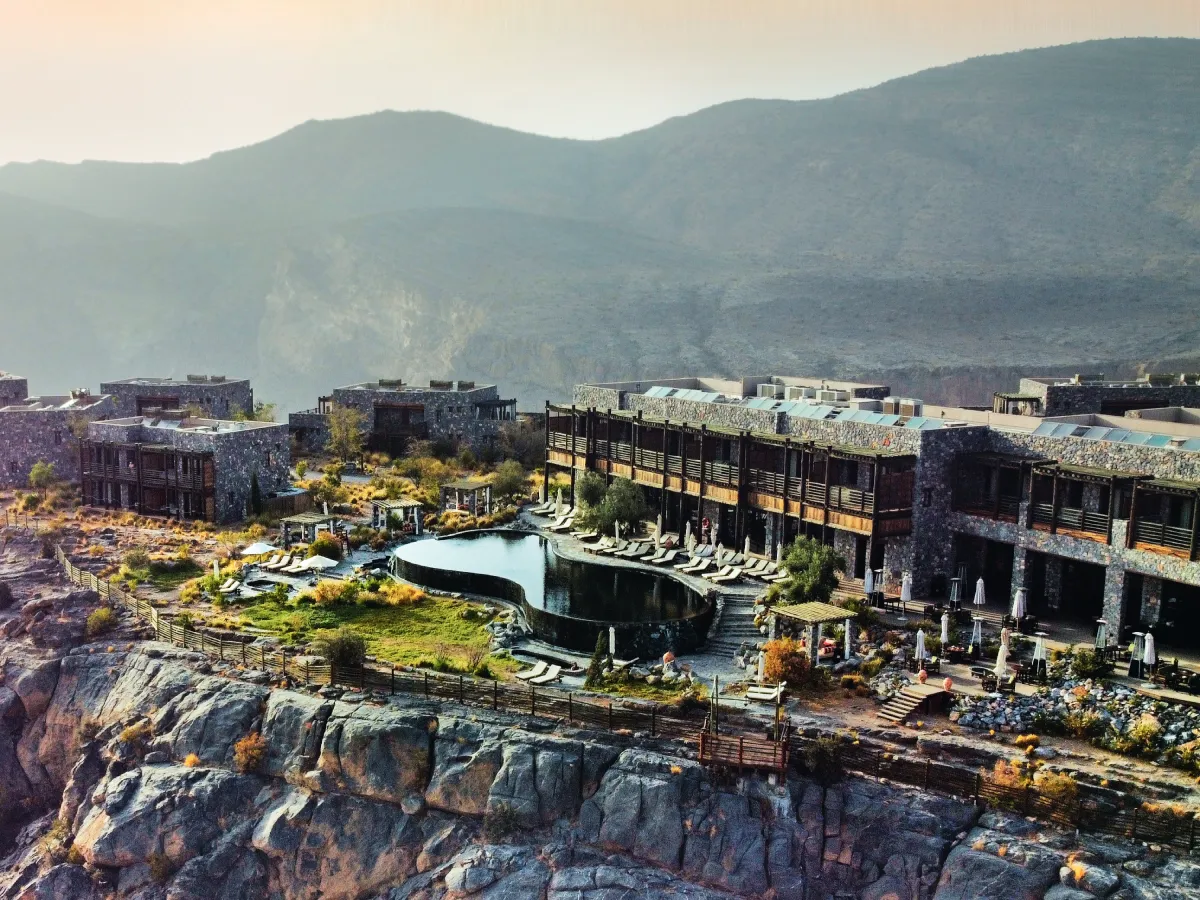
Every spring, as Jabal Akhdar transforms into a breathtaking canvas of pink, with thousands of Damask roses blooming across its terraced slopes, Alila Jabal Akhdar offers front-row views of this natural wonder. Perched 2,000 m above sea level, the luxurious hotel has its own rose gardens. The hotel’s special Rose Experience includes a guided adventure through ancient villages, and the fascinating world of Omani rose water production.

Fragrant Taste

Rose water is used in a variety of dishes in Omani cuisine, including Omani halwa, a sweet confection made with rose water, sugar, and cornstarch. It is also used in savoury dishes like biryani, a rice dish with meat and vegetables.

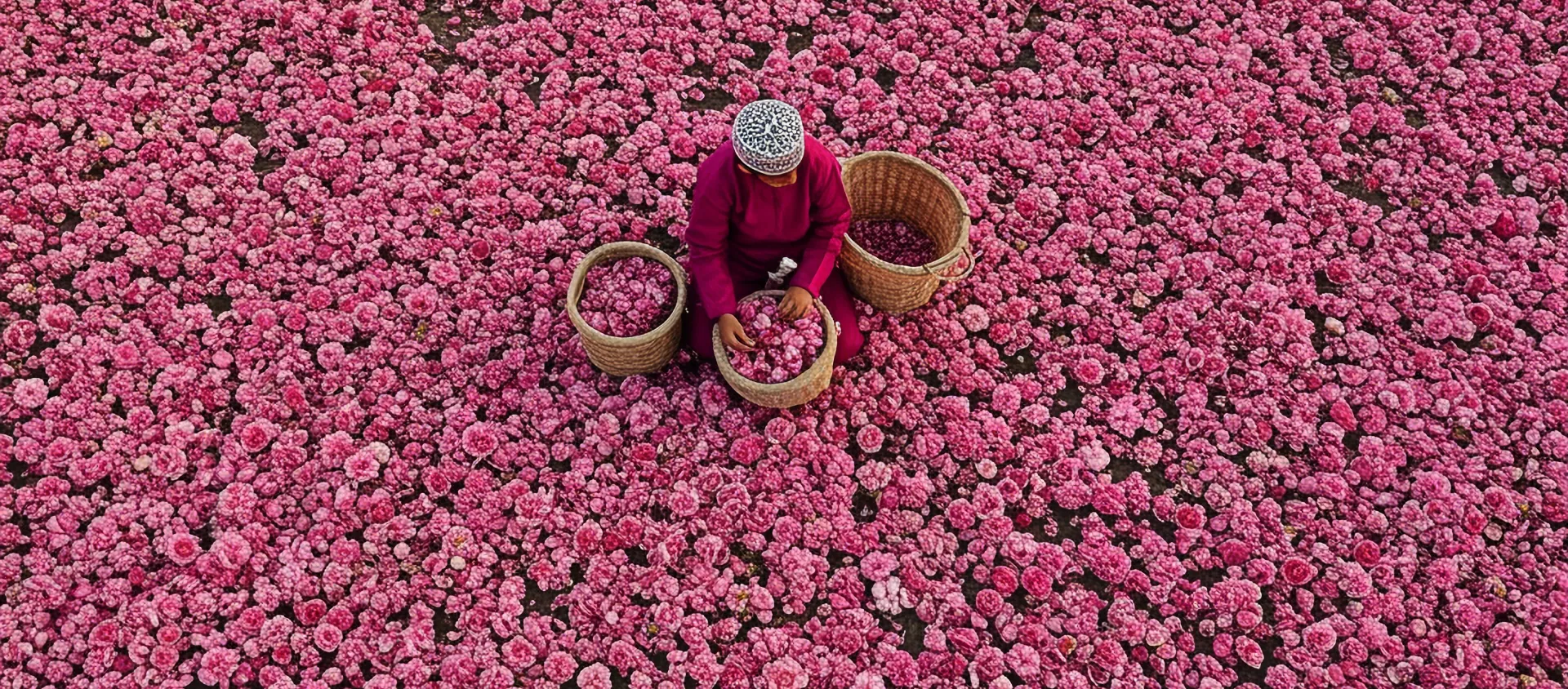
Dawn breaks over Jabal Akhdar, illuminating the jagged peaks of Oman’s Green Mountain with golden light. In these lofty heights, an extraordinary transformation unfolds each spring. From April to May, the harsh, vertiginously terraced slopes are blanketed with pink blooms of Rosa Damascena, the legendary Damask rose! The blooming flowers suffuse the air with a sweet and heady perfume that Syrian poet Nizar Qabbani aptly described as “the history of all fragrance.”

The rose route

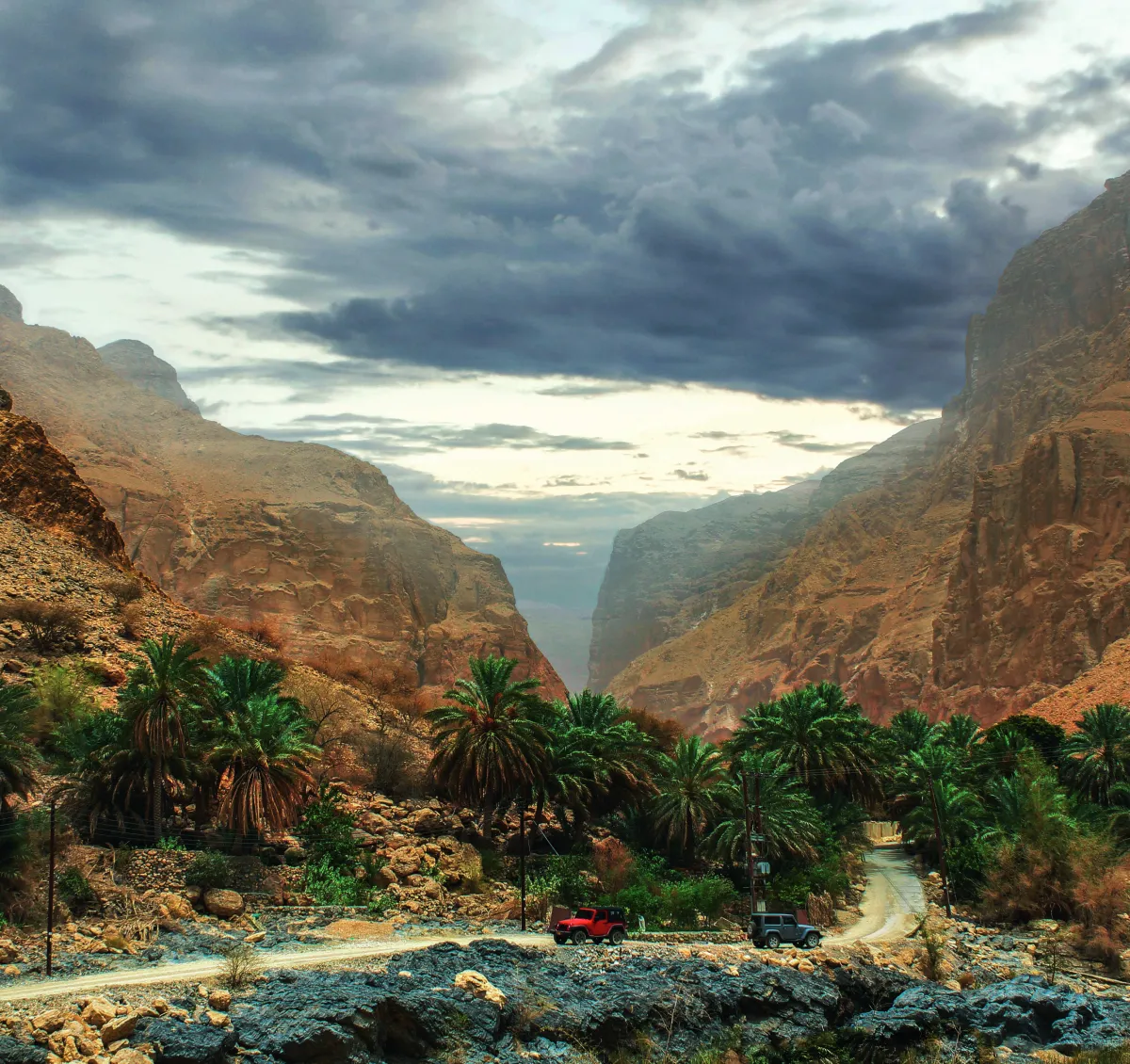
The journey to these rose farms begins at Birkat Al Mouz, a small village at the foot of the mountains, winding through Oman’s spectacular scenery. It’s preferable to take a four-wheel-drive vehicle to navigate the improbably steep switchbacks that cut through dramatic rock formations. What historically required around nine hours on donkey-back now takes less than two hours by a vehicle, though a police checkpoint at the mountain’s base ensures only appropriate transportation attempts the ascent.

The drive summits at Saiq Plateau, where there is the very popular vantage spot – Diana Viewpoint – named after the erstwhile Princess of Wales who camped on the mountain during her 1986 visit. Just one glance from this promontory will leave you in no doubt as to why the Princess chose this spot! It offers one of the most surreal views of the green terraces that hang like a veil from the ridgeline silhouetted against the blue sky. These farms trace the mountain’s contours, and among them grow approximately 5,000 Damask rosebushes tended by some 100 small-scale Omani farmers from a few villages around the region.


Timeless traditions

High-altitude precipitation and cold air collide with desert heat, providing ideal conditions for the Damask rose. While nobody knows precisely when the roses first appeared on these mountaintop terraces, it’s possible they travelled the same route as falaj — the ancient irrigation system that makes their cultivation possible. Both may have been introduced by one of the Persian dynasties that once ruled Oman.

The rose farmers navigate ancient goat paths to reach their gardens. From children 06600 April 2025 Wanderland to the elderly, they make this arduous journey daily during the harvesting season. After descending, they carefully harvest each bloom before the midday sun can diminish the precious essential oils. The picking technique requires precision — each rose gently rolled between the fingers before a decisive pull that preserves the bush for future harvesting.

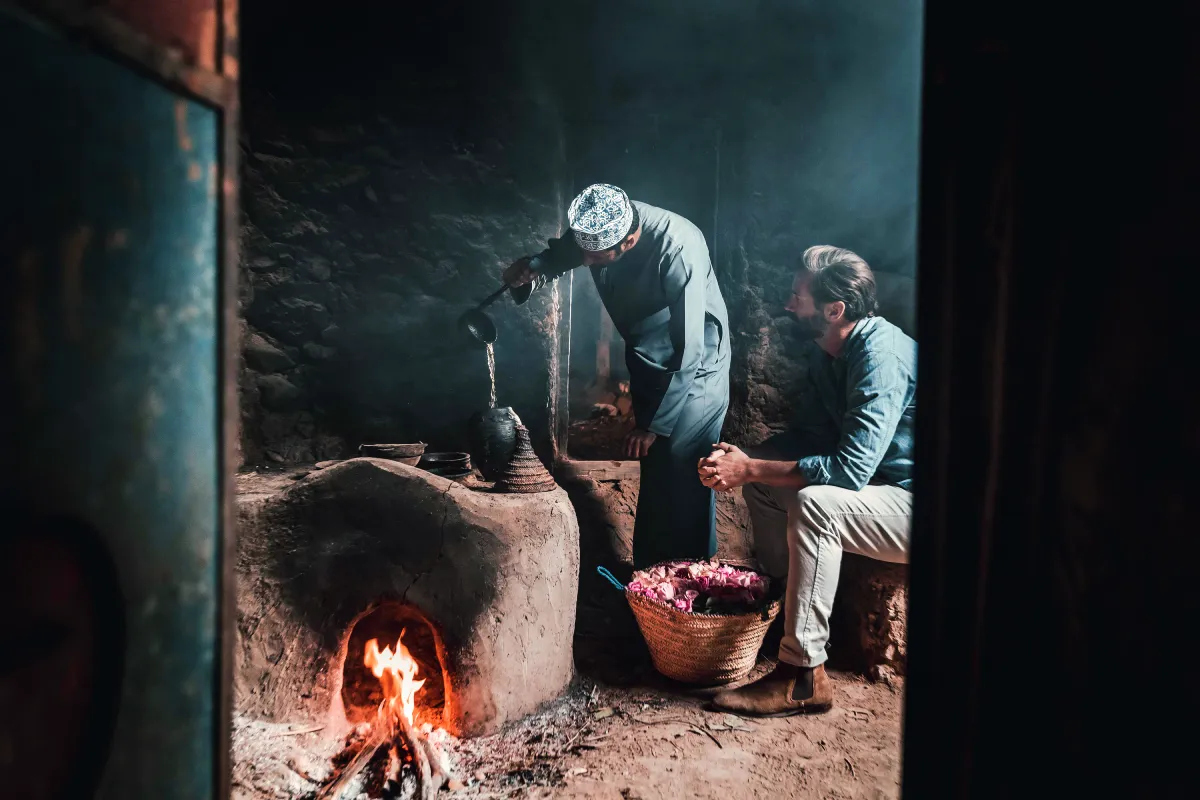
By late morning, the farmers begin the gruelling climb back up the mountain paths, carrying baskets brimming with pink bounty. For them, this physically demanding commute represents merely half the day’s labour. The real alchemy begins in the traditional distillation process that transforms the flowers into the famed Omani rose water. The families preserve a traditional method, believed to date back centuries. Over wood-fired pits, they heat large copper vessels where the roses simmer in water. The resulting steam, rich with essential oils, passes through handmade conduits cooled by running water, eventually condensing into the precious liquid.

A way of life

The process is resource-intensive. It takes hours to transform even one kilogramme of freshly harvested blooms into rose water distillate. Each batch requires an additional few weeks of airtight cooling, filtration, and storage before the smokiest, darkest rose water can command its premium price.

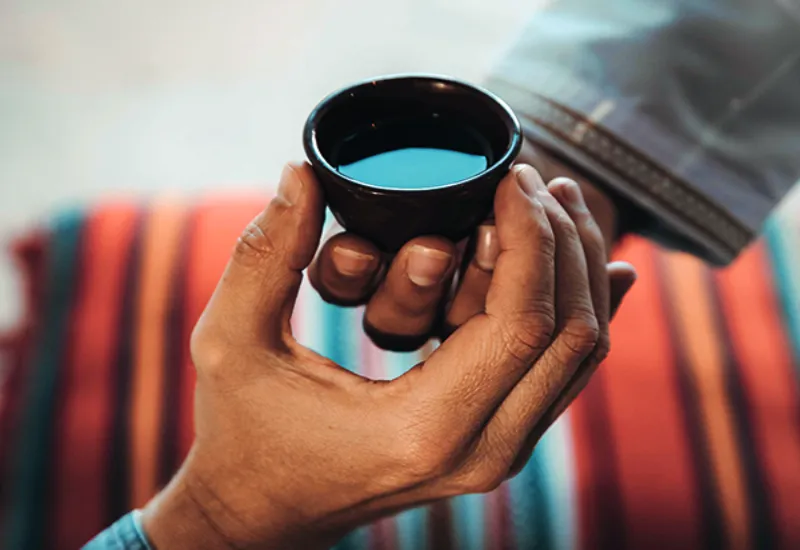
This rose water remains intrinsic to Omani culture, used in everything from cardamom coffee to traditional desserts, hair treatments, fragrant baths, and religious ceremonies.

For most of these families, rose cultivation is not just an economic pursuit – it’s a way of life. During the harvesting season, families come together in a communal effort. Elders teach youngsters the intricacies of cultivation, harvest, and distillation, preserving cultural identity and centuries of accumulated wisdom.

The rose farms of Jabal Akhdar offer a fragrant reminder that heritage, like the precious oils they produce, is most valuable when carefully distilled and preserved.