

On High India
Our country is a flavour playground and we’ve just scratched the surface of homegrown Indian spirits.
Regional Indian cuisines and indigenous ingredients have steadily garnered global eyeballs, and Indian spirits are close behind. The Indian alcoholic beverage segment is undergoing a renaissance, which started a decade ago with craft beers but reached a pinnacle when homegrown gins found tremendous favour among Indian patrons.
Reports say that India’s alcoholic beverage market is among the fastest-growing globally, solidifying its position as a key player in the international spirits landscape. With homegrown brands gaining worldwide recognition, the industry, valued at $52.4 billion, holds significant economic importance for the country. As per a report by International Wine and Spirits Record (IWSR) on India’s alcohol beverage market in 2024, “Indian drinkers are already accustomed to international-style products. They know their applications, they enjoy them and they have long been open to spending a little more on imported – and now also local – products.”
International spirits, Indian soul
Anand Virmani, co-founder at Nao Spirits, started the brand’s craft distillery in Goa in 2017, at a time when the concept of craft spirits was in its nascency in India. Nao Spirits became the first Indian craft gin maker at the time with Greater Than and later Hapusa. Since then there has been a sea change in what is available to the Indian spirits’ enthusiast. Apart from increased global exposure thanks to tourism and digital media, the movement has been due to the rapid change in the Indian cocktail scene. “We now have access to some of the best bartenders and bar concepts that regularly feature in global competitions and top lists, which effectively means that not only do we have the right ingredients, but we also now have the people who will be able to make the most of those ingredients for you to have the best possible experience with Indian craft spirits,” says Virmani.
Hapusa is the Sanskrit word for juniper and is an ode to the foraged Himalayan juniper and locally sourced botanicals. Virmani informs that Himalayan juniper is traditionally used in Ayurveda or burnt as a part of traditional cleansing ceremonies. “We were surprised it was kept a secret for so long. The berries are not the prettiest or the most perfect looking, but their wild habitat brings to them a distinctly bold and raw character that makes a fantastic gin,” he says. The tasting notes for Hapusa gin also reflect the ingredients’ wild aroma and flavour.
Innovative infusions
Another major driver for the traction of Indian spirits is driven by an appreciation for the country’s rich heritage and diverse agricultural bounty. Modern Indian spirit makers have taken inspiration from these roots to create exceptional spirits like gin, rum, and whisky. “Consumers are valuing brands that steer away from mass-produced options in favour of those that embody authenticity and a sense of indigenous heritage. The demand for premium, innovative experiences has also surged, with discerning Indian consumers seeking out spirits that reflect their sophisticated, evolving palates,” believes Rahul Mehra, CEO and co-founder, Third Eye Distillery that is behind the well-known Stranger & Sons gin brand.
The premise behind Stranger & Sons gin was to capture the bold, modern spirit of India. It uses gondhoraj limes sourced from West Bengal to add a citrusy punch that’s aromatic, zesty, and unmistakably Indian. Since its launch in 2018, Stranger & Sons has introduced innovative versions to conquer the hearts of Indian cocktail lovers with Perry Road Peru and Filtr distilled cocktail variants. The former started as a collaboration with award-winning restaurant The Bombay Canteen in 2020 but has taken off on its own merit. “The guava in Perry Road Peru captures the lively, tropical pulse of Mumbai, infusing our gin with a sweet, fresh burst of flavour,” Mehra explains. The recently launched Filtr is a bottled filter coffee martini created in collaboration with yet another homegrown brand, Subko Coffee. “Filtr’s coffee, carefully sourced locally and decocted to perfection, delivers a rich, bold profile with deep, nutty, and caramel undertones that elevate the gin,” he adds.
Indigenous flavours win big
The growth momentum has now moved towards indigenous spirits. There was once a time when the conversation about Indian spirits revolved primarily around Goan feni, but based on the success of homegrown single malts, gins and even rums, other spirits are now on the rise. Whether it’s the mahua flower from Central India, Rajasthan’s royal liqueurs or Assam’s rice beer varieties that recently received GI tags, indigenous spirits are causing curious consumers to learn more, affording these drinks muchneeded legitimacy.
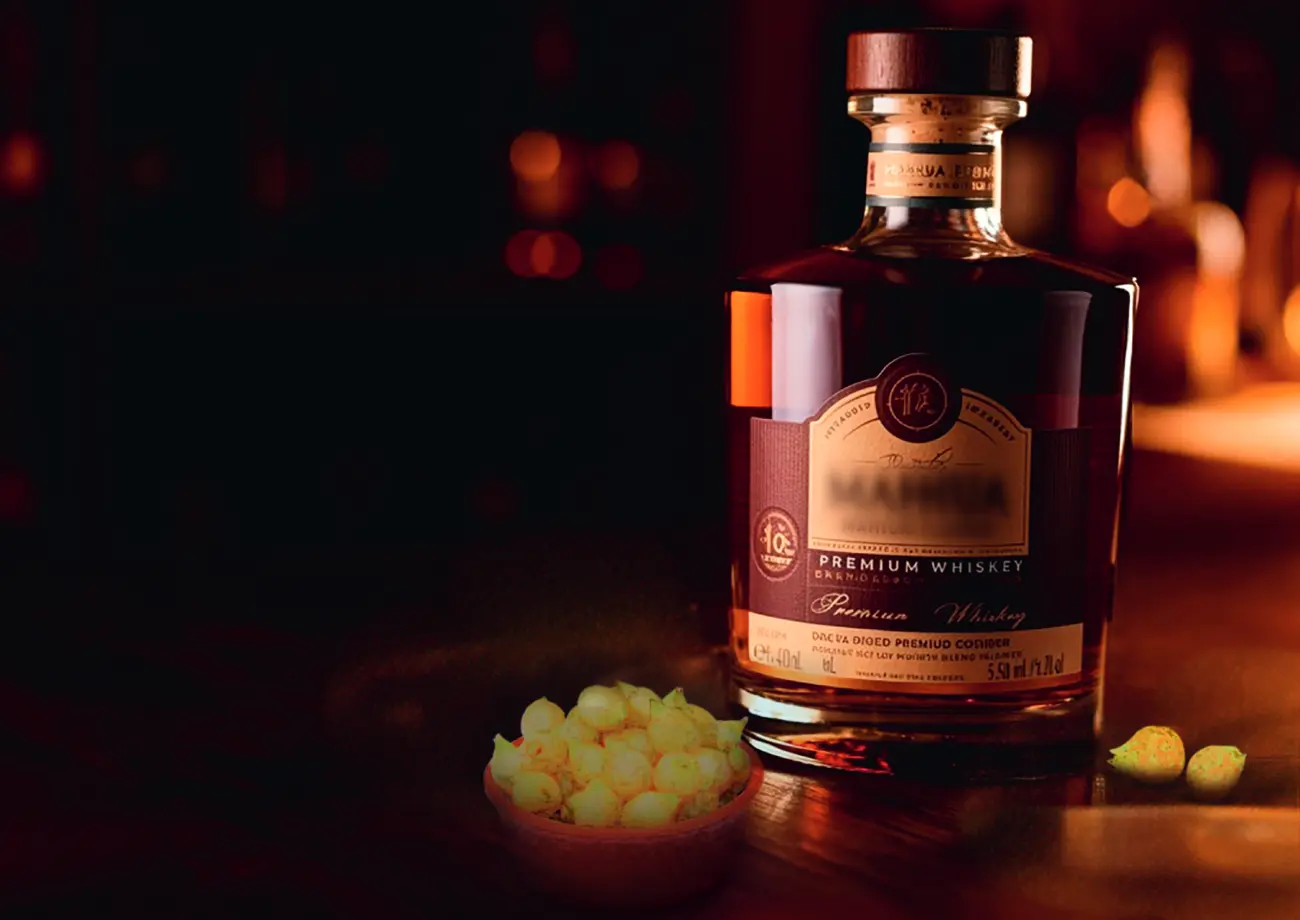
Hamavand Chinoy, director of South Seas Distilleries has had success with distilling mahua flowers into a premium flowerbased spirit and launching Six Brothers Small Batch Mahura this year. Mahua, found across several Indian states, is historically valued for its nutritional properties. “Mahura is the only spirit in the world made entirely from flowers, making it truly distinctive, and placing it in its own unique global category of spirits, such as Tequila, Sake, Mezcal, etc,” Chinoy says. He adds the spirit, when made with sophisticated and modern techniques, is a clear, versatile drink with a unique flavour profile.
In Rajasthan, known for its royal heritage liqueurs, Surendra Pratap Singh, MD of Shekhawati Heritage Herbal, has taken the onus to revive these royal drinks under the brand Maharani Mahansar. It offers a range of liqueurs, including saffroninfused Somras, rose-based Shahi Gulab, and citrusy Narangam. According to Singh, it takes around 10 days to soak, ferment, distil and bottle the liqueurs. The ingredients, he says, are sourced locally — roses from Pushkar, Rajasthan; spices from Kerala; saffron from Kashmir; aniseed from Sirohi, Rajasthan, and oranges from Nagpur.
These spirits, whether indigenous or universally recognised, are pushing the envelope in innovation, creativity and taboos to broaden the connoisseurs’ and enthusiasts’ palates. The path is charted and Indian spirit makers are taking big strides to ensure the India spirit story goes global.