





Indigo

Crafted Living

From the vibrant strokes of Rajasthani Phad paintings to the intricate metal inlays of Karnataka’s Bidri work, India’s rich craft heritage is finding new life in contemporary home decor.

The curation

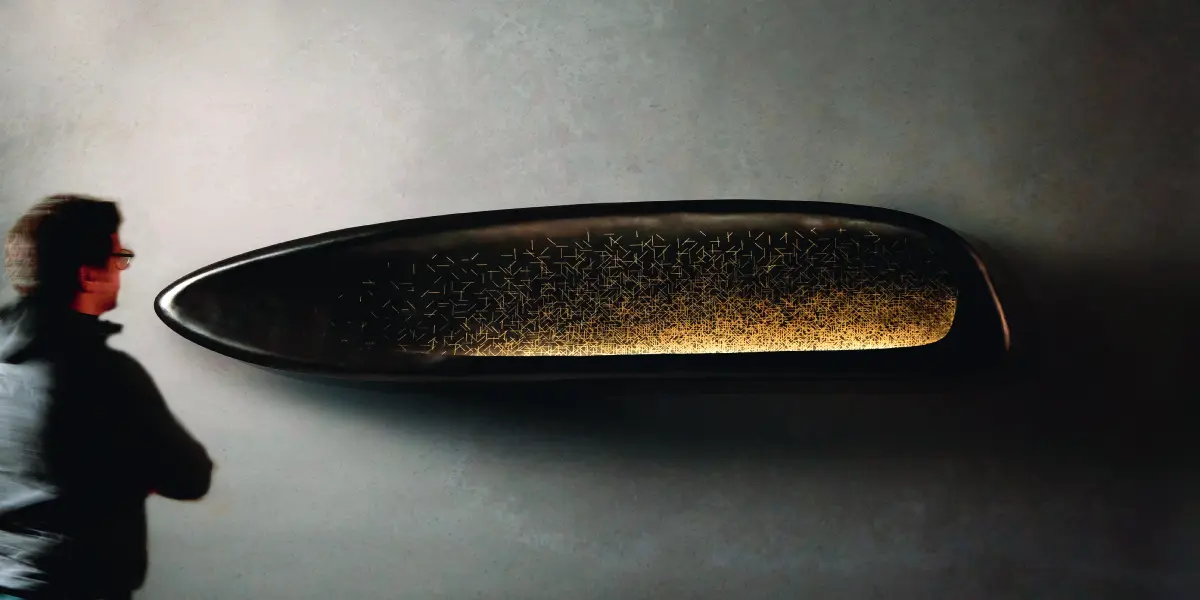
Craft is a living dialogue — passed down, reinterpreted, and shared. It enriches design, adding depth and culture, transforming a utilitarian product into a work of art. Imagine a wall-mounted light fixture, whose sole purpose is to illuminate. Sleek and modern, it fulfils its purpose while staying functional. But infuse it with a century-old craft, and suddenly, it carries a legacy, transformed into a piece of history. In India, as interiors shift from minimalism to embracing a sense of individuality, traditional crafts are becoming more relevant than ever. From hand-carved wooden panels and intricate Pichwai paintings to 昀椀nely crafted metal inlays and handwoven textiles, artisans across the country are reimagining age-old techniques to add cultural value to contemporary interiors. Designers and collectors increasingly see craft not as an ornamental afterthought but as an integral part of spatial storytelling.

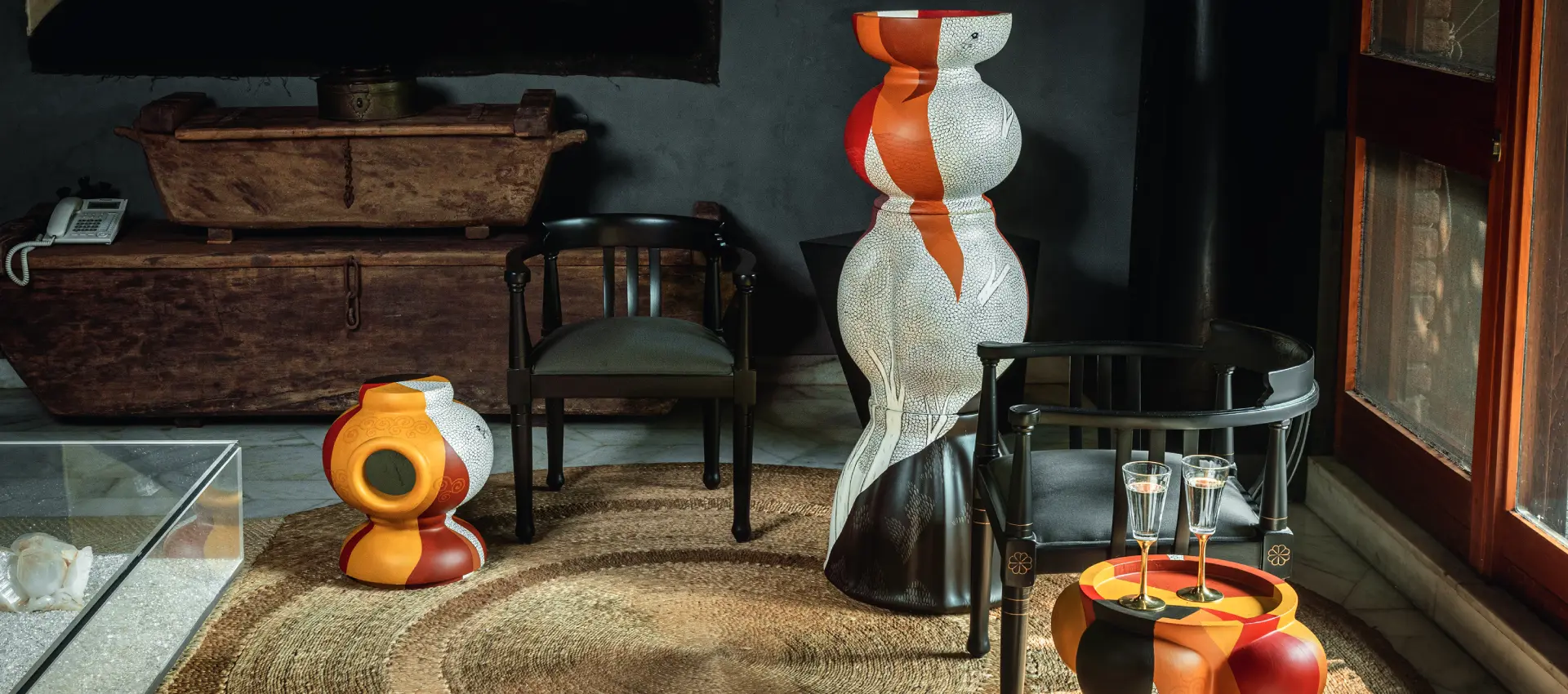
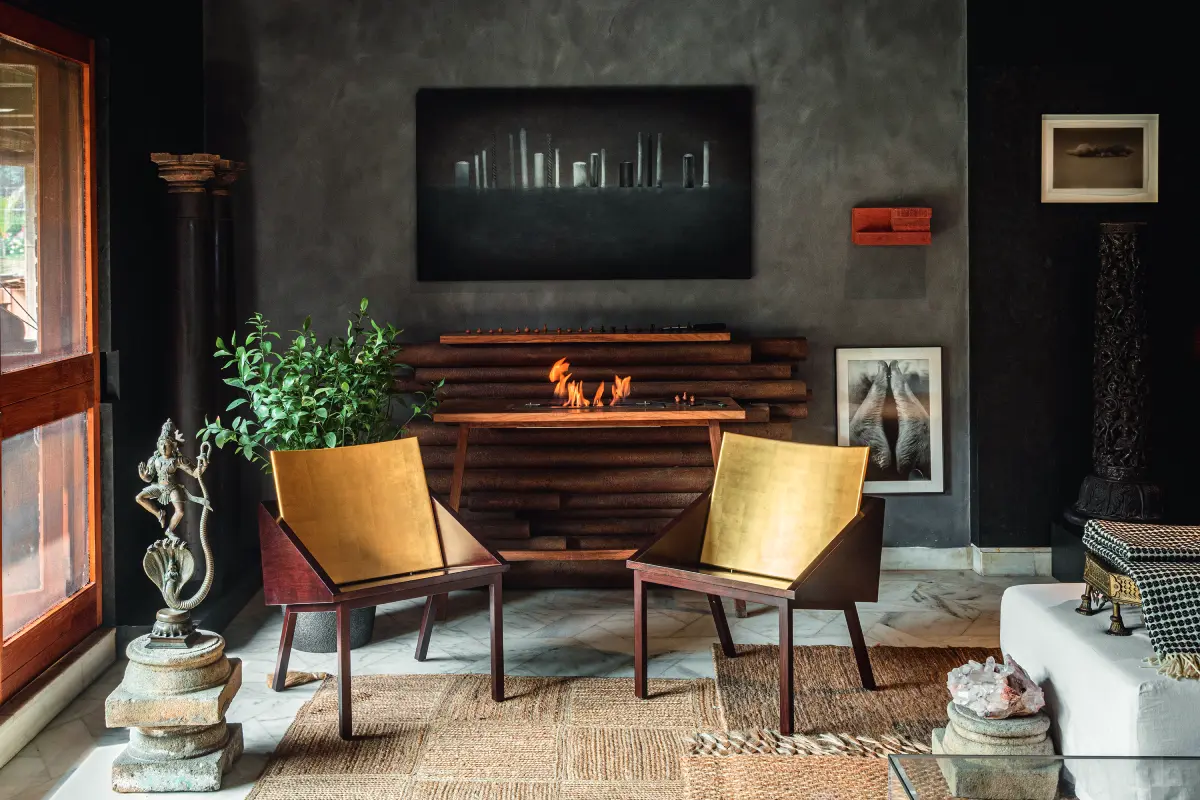
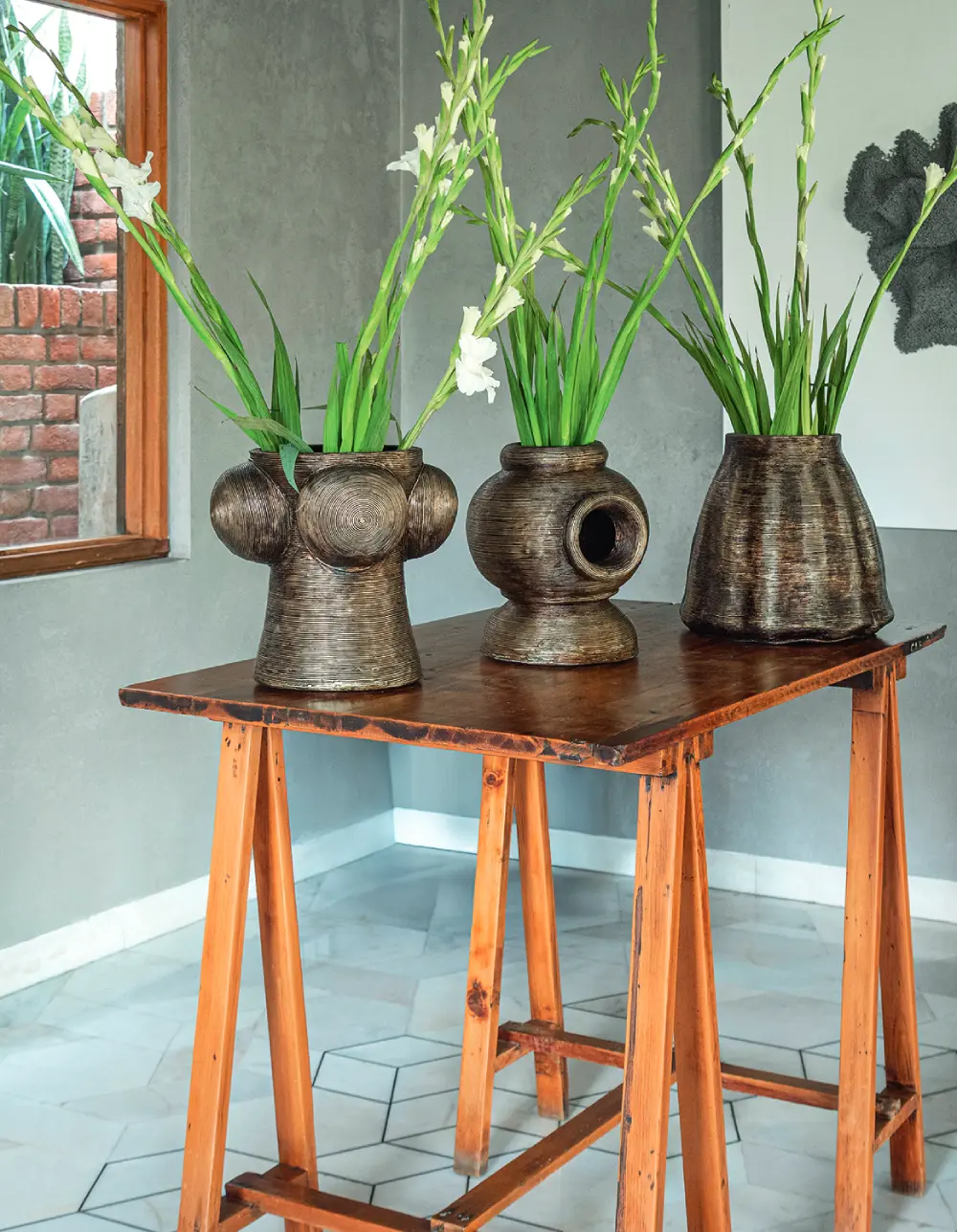
Collaborating with artists, we have been able to lend to new-age homes the heritage of crafts. An apt example is the way our designers have created a totem pole-like table with traditional cane weaving technique from Nagaland. It’s so striking that it can be a conversation starter in a modern home, while drawing from an ancient craft. We have also created Phad totem pole tables, the latter hand-painted by Phad artist Kalyan Joshi from Bhilwara, Rajasthan. A series of vases reimagines India’s doll-making traditions, sculpted using the traditional wax method from Chhattisgarh under master craftsman Sushil Sakhuja. Our unique Jantar Mantar Recline draws inspiration from historic thrones, featuring a 24-carat gold leaf backrest created in collaboration with Varakh artisans from Jaipur. Varakh, the ancient art of producing and using ultra-thin sheets of gold or silver to decorate sweets, biryanis, and even medicines in India, has been integrated into modern products to preserve it.

How You Can Do It Too

One of the most effective ways to integrate craft into any space is through architectural details such as intricately carved wooden doors, stone jaali screens, or hand-painted frescoes. For those who prefer subtlety, textiles play a transformative role — from handwoven dhurries and block-printed upholstery to embroidered cushions and naturally dyed curtains. Craft can also be introduced through furniture and accessories — a handcrafted ceramic vase, a silver inlay metal coffee table, or a cane-woven lounge chair can serve as striking focal points. Even lighting can make an artisanal statement, with sculptural brass fixtures, woven bamboo pendants, or hand-blown glass lamps, adding dimension and artistry to a space.

Bidri Kintsugi Vases

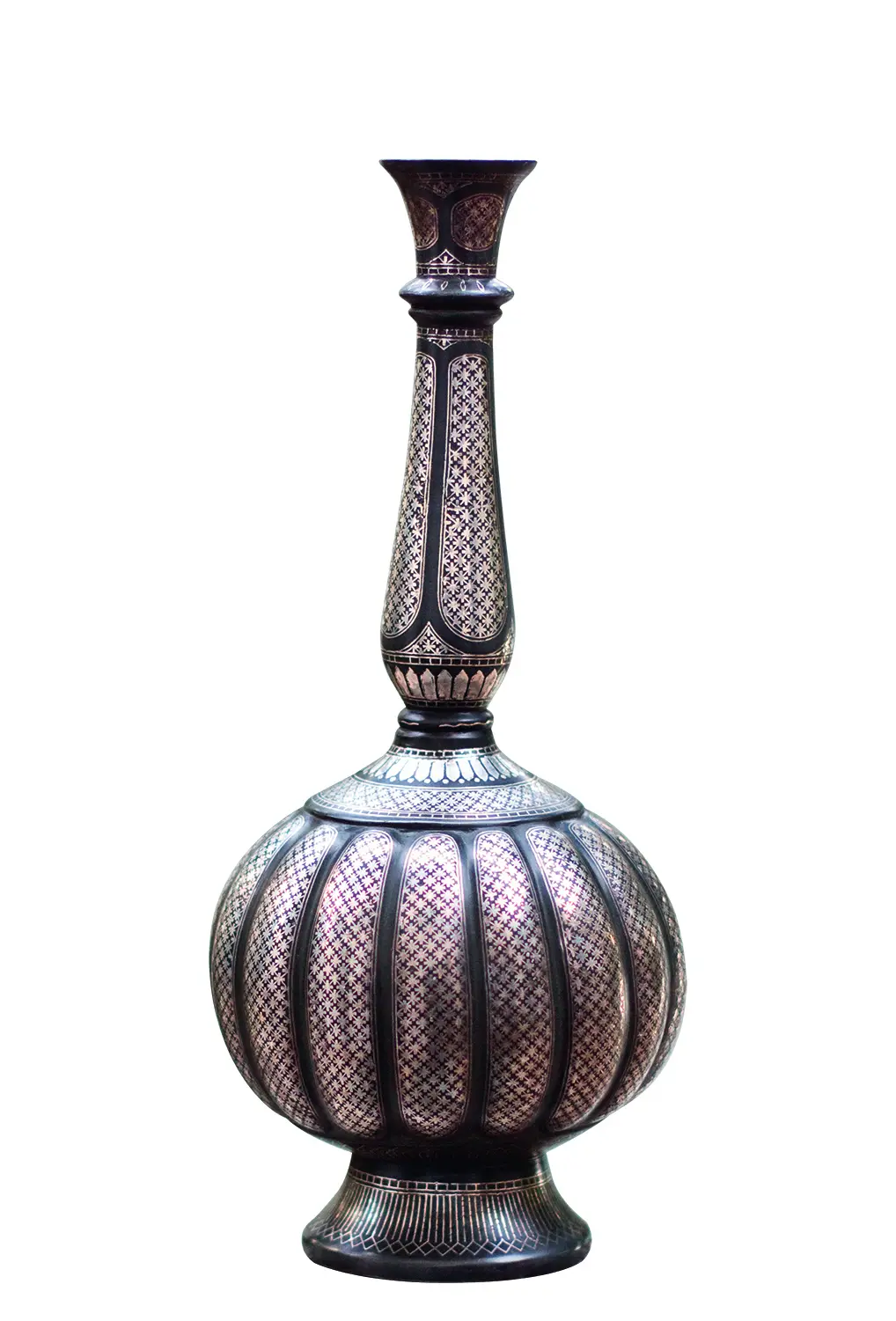
A set of vases created by Gupta’s studio blends Bidri with the Japanese art of Kintsugi, known for its delicate cracked metallic lines, resembling fissures in porcelain. In this collection, blackened alloy vases are intricately inlaid with silver, forming fluid, vein-like cracked patterns across the surface.

Metal Meets Art

Another centuries-old craft finding new ground in luxury interior décor worldwide is Bidri. This 500-year-old metal inlay craft is believed to have originated in the royal courts of Persia before travelling to India, where it flourished under the patronage of the Bahmani sultans who ruled Bidar, Karnataka, in the 14th and 15th centuries. Known for its striking silver inlay work on blackened alloy, Bidri is now being reinterpreted for contemporary interiors.

Hyderabad-based Nolwa Studio collaborates with design studios across the world to reimagine traditional crafts and create their modern interpretations. Rohit Naag, founder and CEO of Nolwa Studio, shares: “When I decided to pursue design intervention in craft, I started close to home and studied craft clusters around the city. In this exploration, Bidri stood out for its sheer intricacy, skills, techniques, and processes. While artisans were designing small figurines, I realised Bidri could lend itself to many modern interpretations.”

Beyond enhancing products like tables, chairs, and light fixtures, Bidri can also be integrated into modern homes through customised contemporary expressions, including wall panelling, tables, bar cabinets, lighting, and more.

Naag reinterprets Bidri — traditionally known for its floral and geometric influences — to create modern expressions that still feel rooted. He explains: “We have introduced Bidri to product designers across the world, providing exhaustive information and a mandate on the craft’s possibilities and limitations; for instance, how it cannot be used in exteriors or high-moisture settings. To keep a traditional craft relevant in contemporary times, it’s important to ensure it has a sense of utility rather than limiting it to being a decorative piece. I want to make crafts aspirational by creating collectible objects that seamlessly fit into modern homes.”