A Tapestry of falls and festivals
Nestled in the heart of India, Bastar boasts a unique fusion of natural splendour and rich cultural heritage. As the region celebrates Bastar Dussehra, here's a handy guide.
Festivals
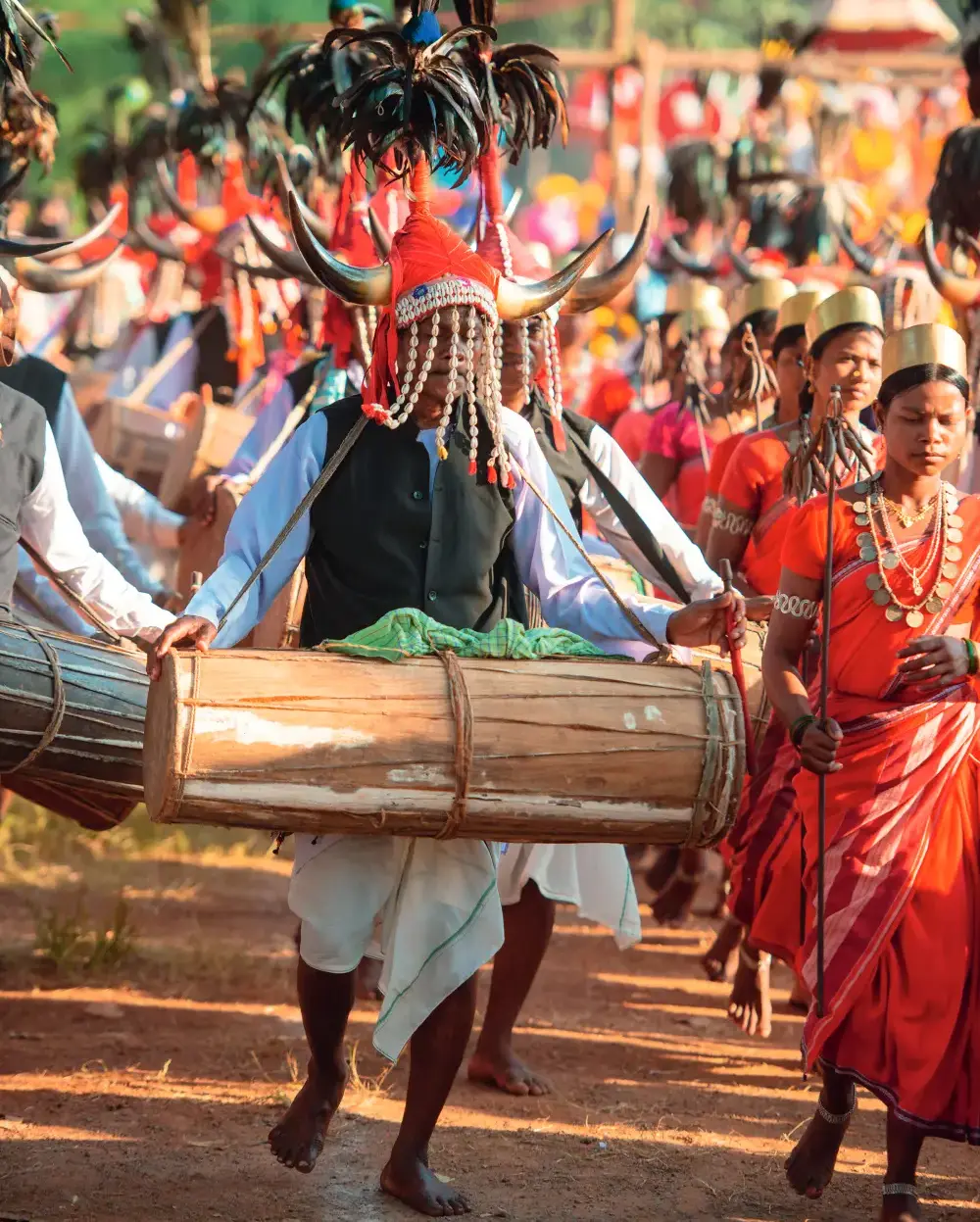
The 75-day Bastar Dussehra, often called the world’s longest festival, dates back to the 13th century. Celebrating Goddess Danteshwari, it features a stunning two-tiered chariot procession through Jagdalpur’s streets. Some tribal communities also worship their own gods and goddesses. The final 10 days are particularly spectacular, with this year’s celebration ending on October 19. In contrast, the Phagun Madai festival (February or March) is smaller but more intimate, inviting greater participation rather than just spectating.
Tribal Haat
For a glimpse of a weekly haat, visit Pamela market, held on Sundays in a forested area near Jagdalpur. While city influences like two-wheelers and cars are present, you’ll still find elements of tribal life, including local vegetables, dried mahua flowers, and the famous red ant chutney.
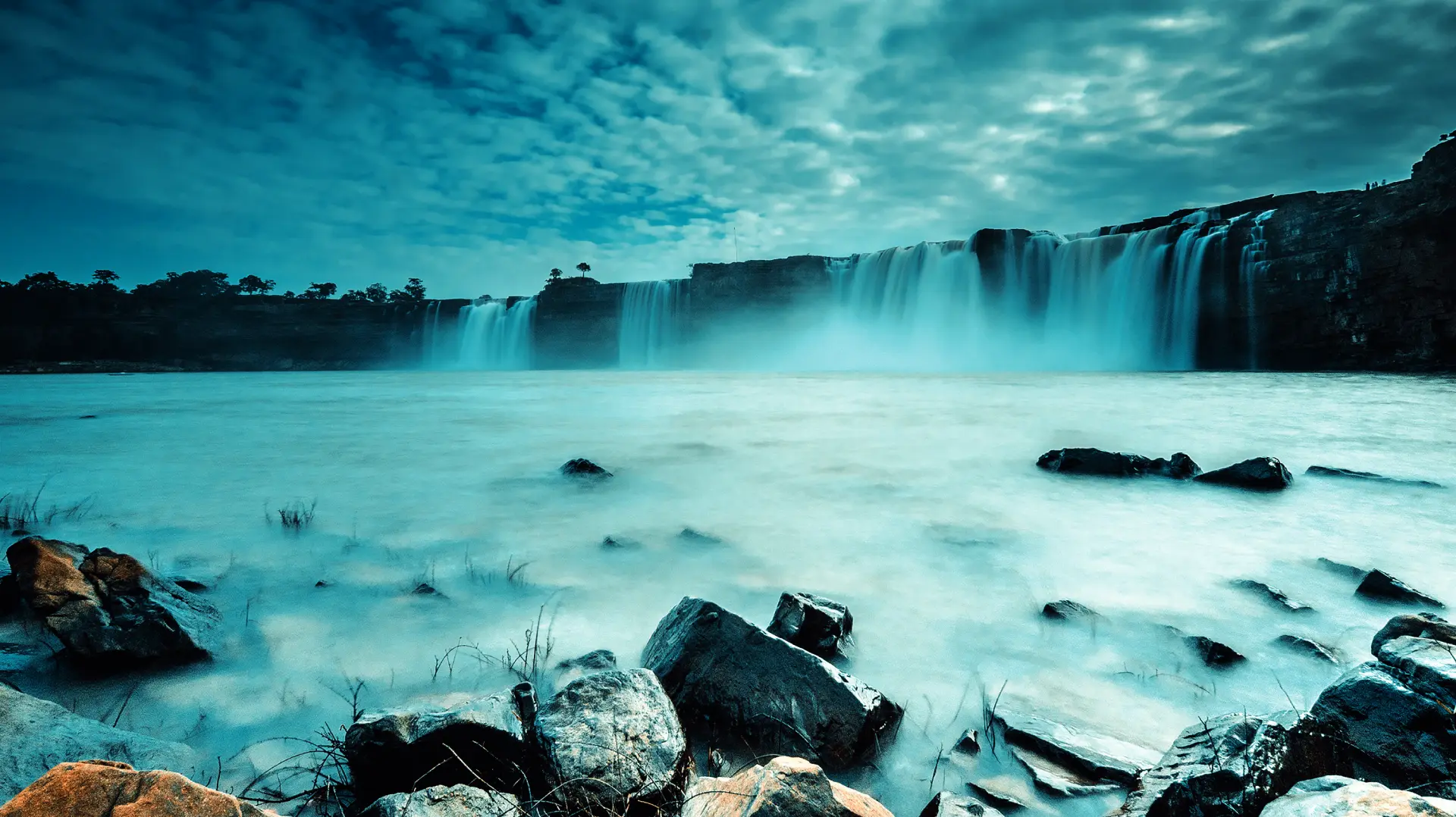
Imagine a waterfall as tall as a 10-storeyed building and as wide as several football fields. This is Chitrakote (Chitrakoot) Falls in Chhattisgarh’s Bastar district. Hailed as India’s Niagara, it cascades with force throughout the year, reaching its most breathtaking grandeur during the monsoon season (until October).
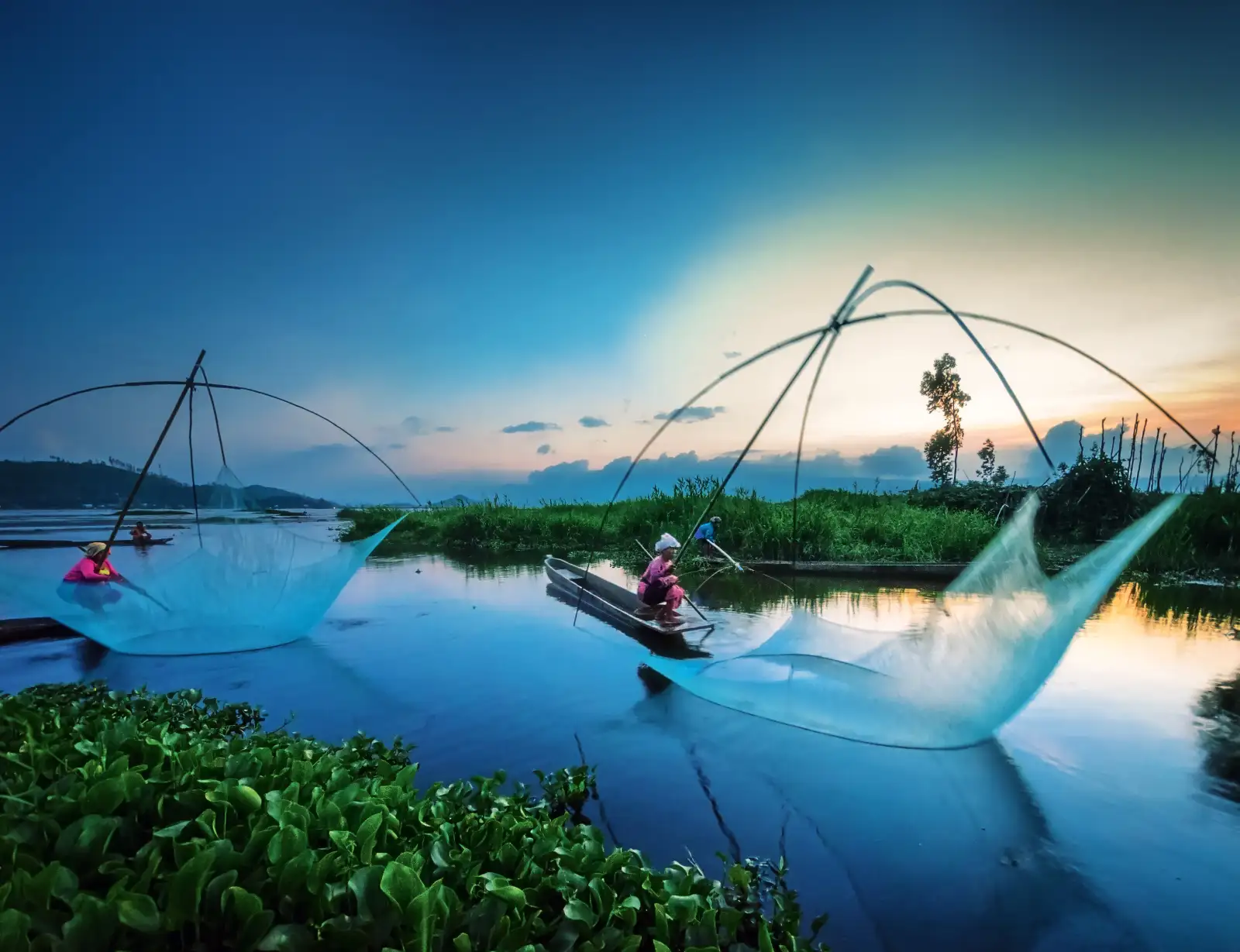
Located approximately 40 km from Jagdalpur (district headquarter), this horseshoe-shaped waterfall is formed by the Indravati River as it plunges 90 ft. The deafening roar of the water can be heard from miles away, yet while standing at its edge, the sound becomes unexpectedly serene, almost meditative. For the adventurous, local fisherfolk offer boat rides that take you close to the falls, where you can feel the powerful spray of the water. If you’re seeking a gentler experience, a visit to Tirathgarh (Teerathgarh) Falls, about 60 km away, offers a more peaceful opportunity to soak in nature’s shower.
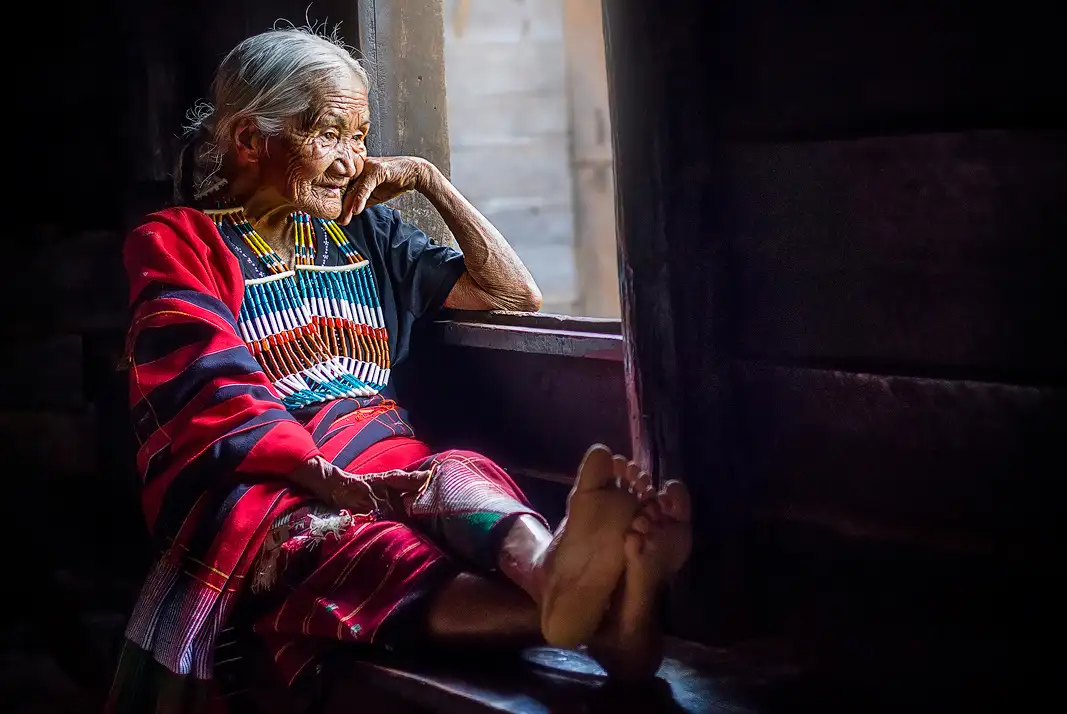
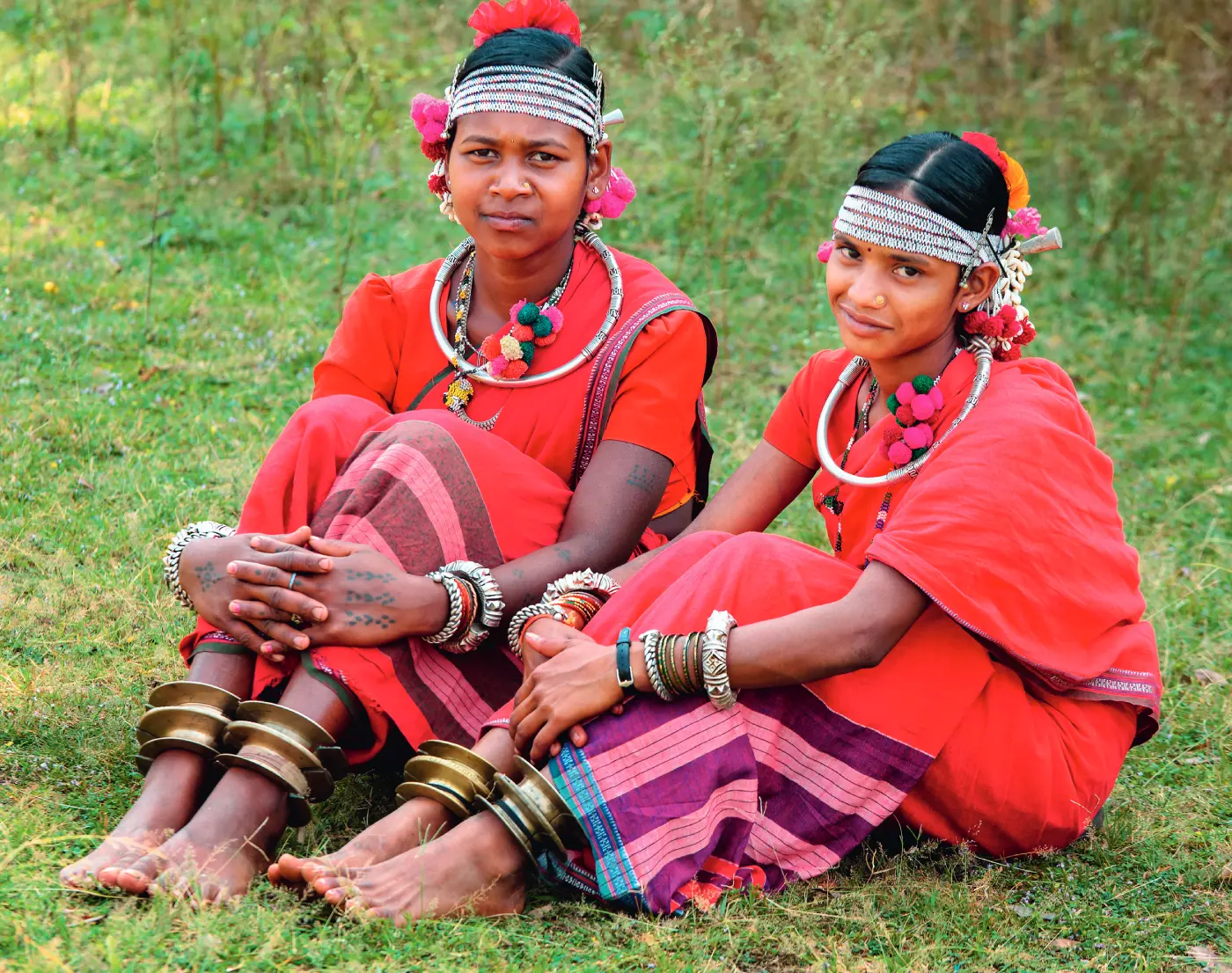
While most tourists are drawn to Bastar for its waterfalls – including Chitrakote, Chitradhara, and Tamda Ghumar – the true essence of this mystical region lies in its tribal communities that have inhabited these lands for centuries. The best way to engage with them is by visiting the weekly haats (local markets), which are held on specific days in different villages. The markets near Jagdalpur are more frequented by tourists, but the remote rural haats offer more vibrant and authentic experiences.
Tribal Tales
These markets are bustling centres of trade and social interaction for the local tribes. While exploring these markets may require local help, they are unmissable. The sight of colourful stalls, the sounds of lively bargaining, and the steady stream of villagers at the markets make these haats an immersive window into local life.
Art and Craft
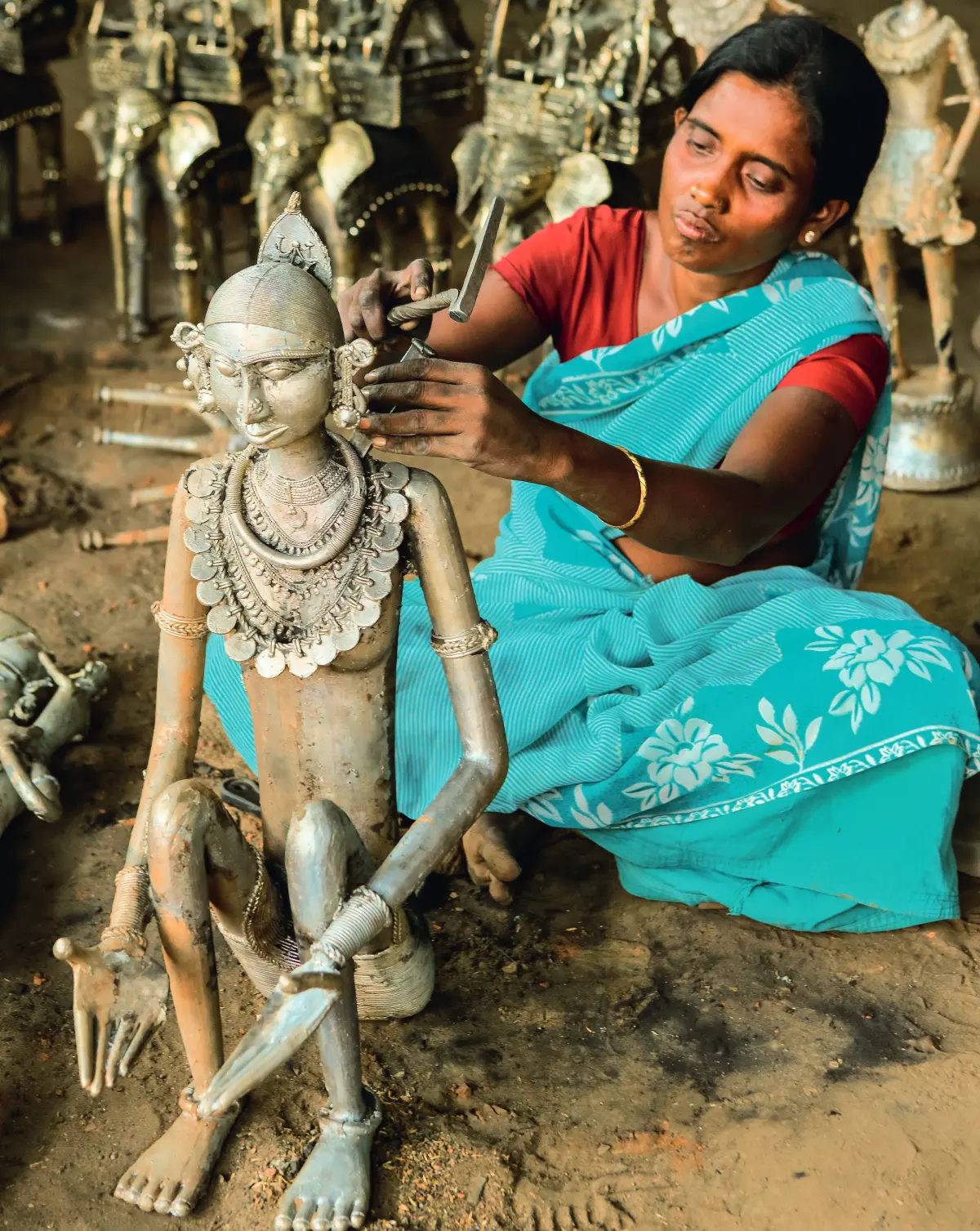
As you explore, you’ll notice the deep-rooted connection between the local communities and their crafts. Bastar is renowned for its craftsmanship, with indigenous people excelling in a range of traditional arts. Terracotta, one of Bastar’s ancient crafts, often features depictions of animals, symbolising the region’s natural wealth and cultural heritage. Despite modernity creeping in elsewhere, the people of Bastar have managed to retain their age-old techniques. A significant craft is bell metalwork, with a focus on animal figurines and scenes from daily life. One of the most celebrated forms of art in Bastar is Dhokra – the lost wax technique used to create intricate metal sculptures. Many artisans work from their backyards, which double as workshops, and visitors are often welcome to observe or even participate in the process that is a peaceful, almost meditative experience.
Basket weaving is another speciality. Their baskets are designed for various practical purposes, from smoking fish to storing rice. The craftsmanship of Bastar reflects a deep connection to the land, with natural resources playing a central role in the works.
Unique Flavours
Bastar’s culinary traditions are equally rich in stories and heritage. A stay at Shakeel Rizvi’s Bastar Tribal Homestay in Jagdalpur provides the perfect opportunity to sample the local fare. The homestay has no kitchen; the meals are prepared by local women and delivered to guests. Each meal is unique, and no dish is ever repeated. The food is lightly cooked, with every part of the vegetable used, reflecting the community’s resourcefulness. A memorable experience is tasting the region’s tiny, flavourful aubergines. Millet is a staple in the local diet, along with smoked and dried fish.
For the more adventurous foodie, chhapra – the legendary red ant chutney — is a must-try. It is a local delicacy and will undoubtedly be one of the most unique culinary experiences of your life.
Kanger Valley National Park
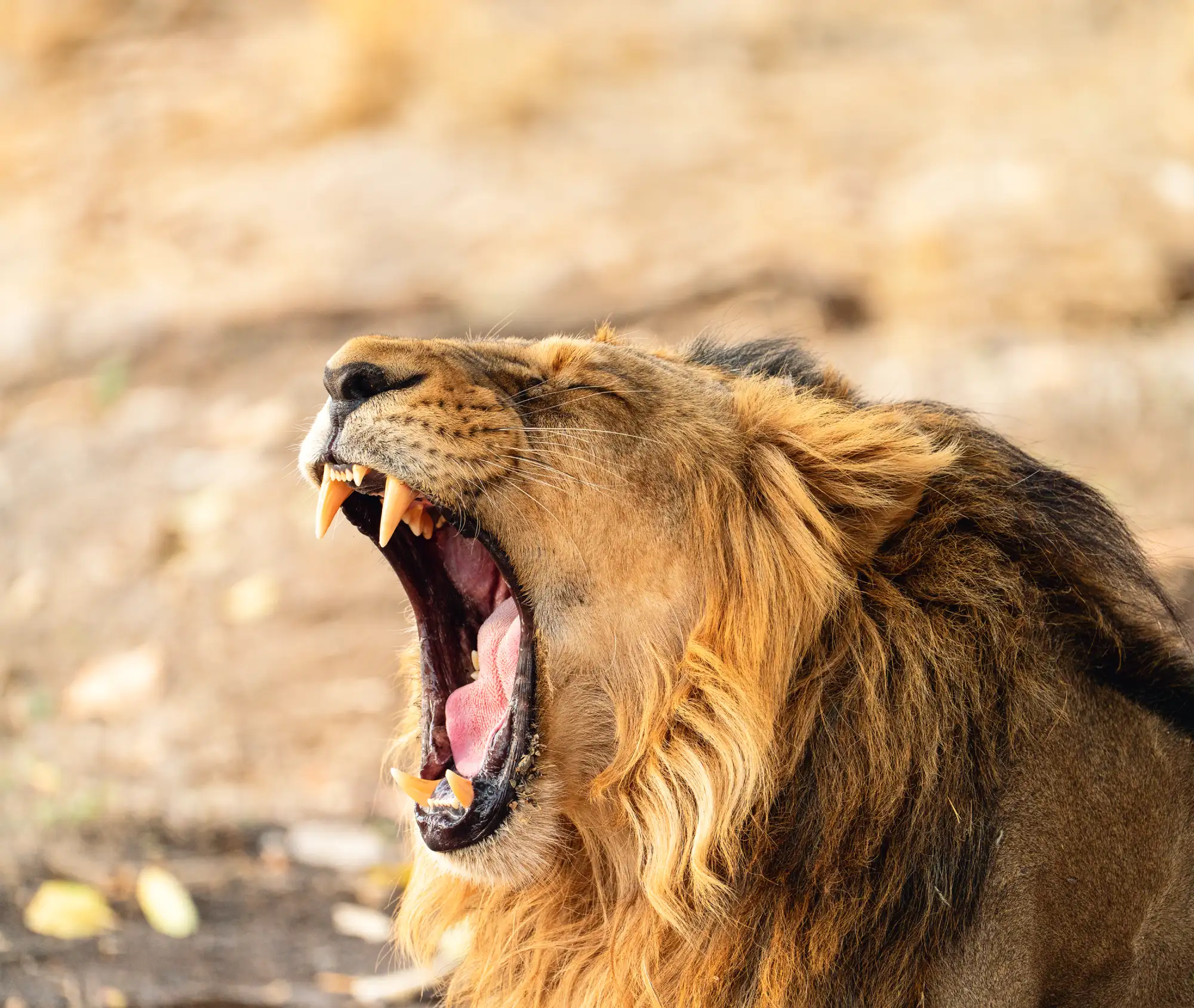
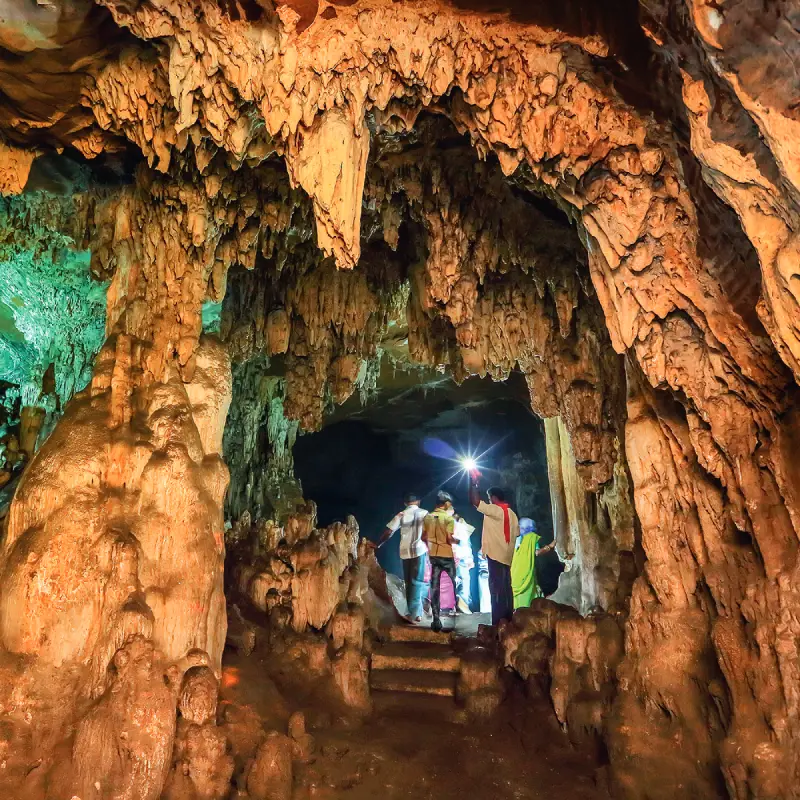
Just 20 km from Jagdalpur, this biodiversity hotspot features lush forests (mostly sal and teak) and the Kangar River. Explore caves like Kutumbasar, Kailash, and Dandak, known for their stunning geological formations. Spot crocodiles at Bhainsadhara or take a dip in a natural pool near Gudiyapadar. Listen for the unique call of the Bastar hill mynah bird!
Mind this
- Visit Bastar from October to March.
- Avoid plastic and travel light to preserve its pristine environment.
- Approach with an open mind and heart, and spend four to five days immersing yourself in the local community.