
Spot me If you can
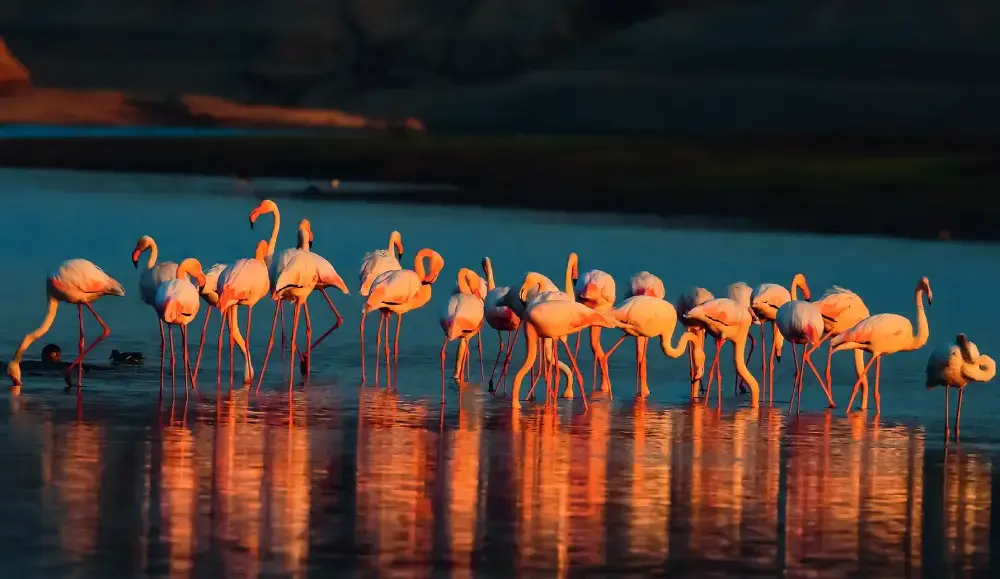
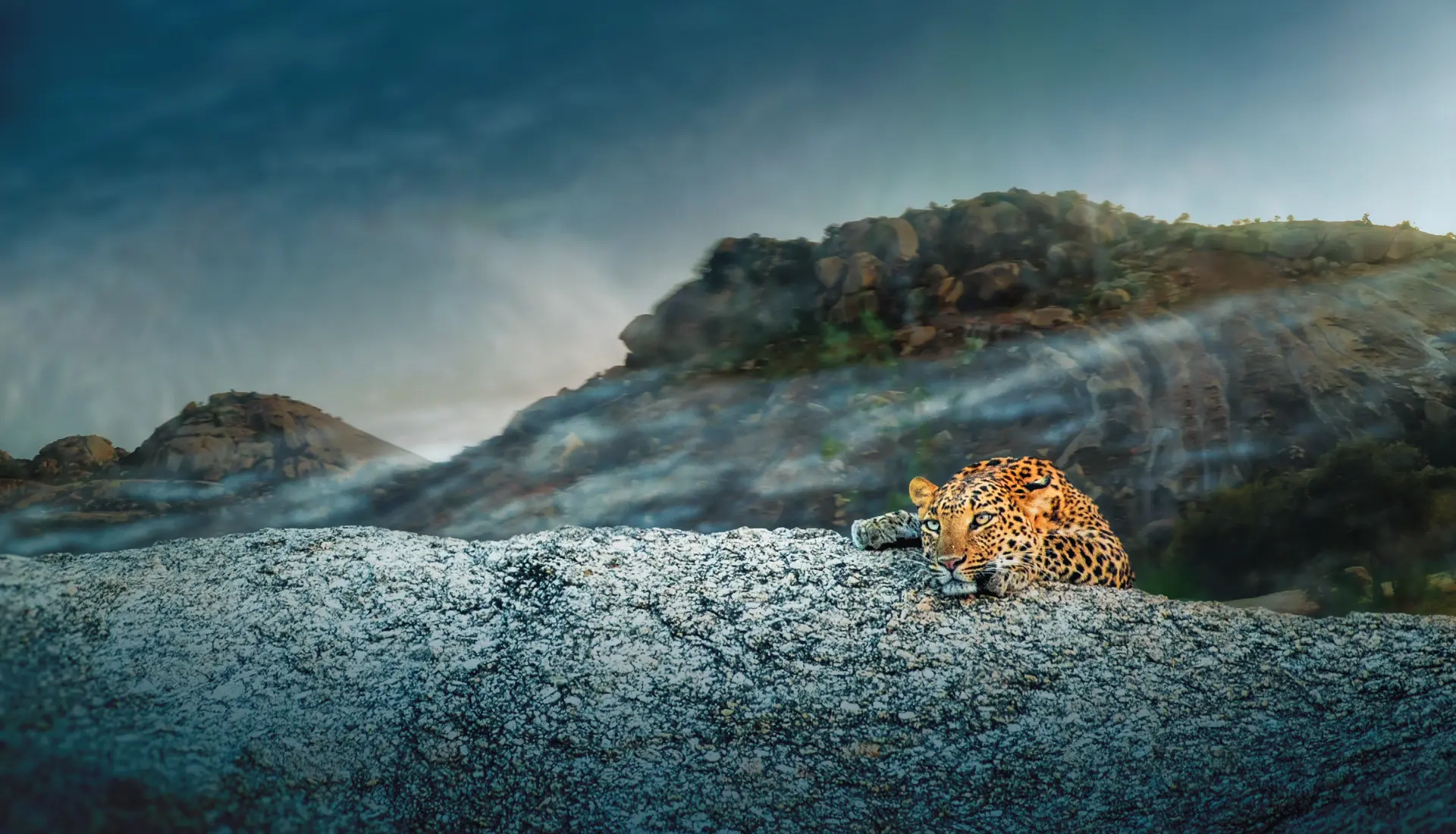
Discover the enchanting wilderness of Jawai, where leopards roam freely alongside vibrant local communities in Rajasthan’s picturesque landscape.
Cuisine

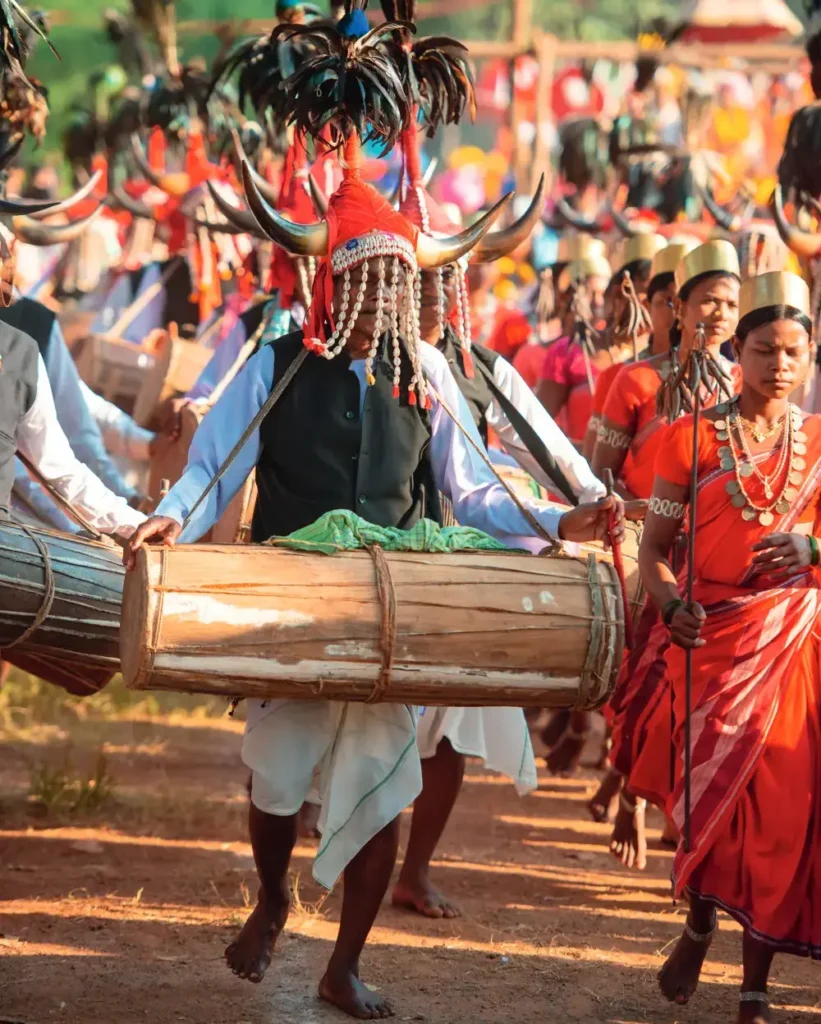
At the Bagheera’s Camp Rewilding Jawai Preserve, a special attraction is the theatrical dance dramas or ancient war dance workshops (combining swordsmanship and Marwari ghoomar). Try stargazing, cultural safaris, game drives, nature and re-wilding walks, interactive live cooking, photography tours, traditional musical evenings, and more.
Must-Try

Explore local cuisine with dishes like panchakuta ker sagariya (sangri), camel milk cheese, wild pumpkin kachri (kachre) ka saag, recipes from the royal kitchen of Marwar, papad ka saag, desi corn, catfish, and roti (flatbread) made with bajra (pearl millet) and makki (maize).
At the foothills of the Aravalli Range, just a couple of hours equidistant from Jodhpur and Udaipur, is a quaint escape into nature, marked by vast stretches of wilderness. Here, the eerie silence of the rocky landscape, peppered with semi-arid vegetation, is inhabited by both humans and animals — it is the abode of leopards that coexist with local communities, who have preserved a distinct rustic life. This is the beauty of Jawai in the Pali district of Rajasthan.
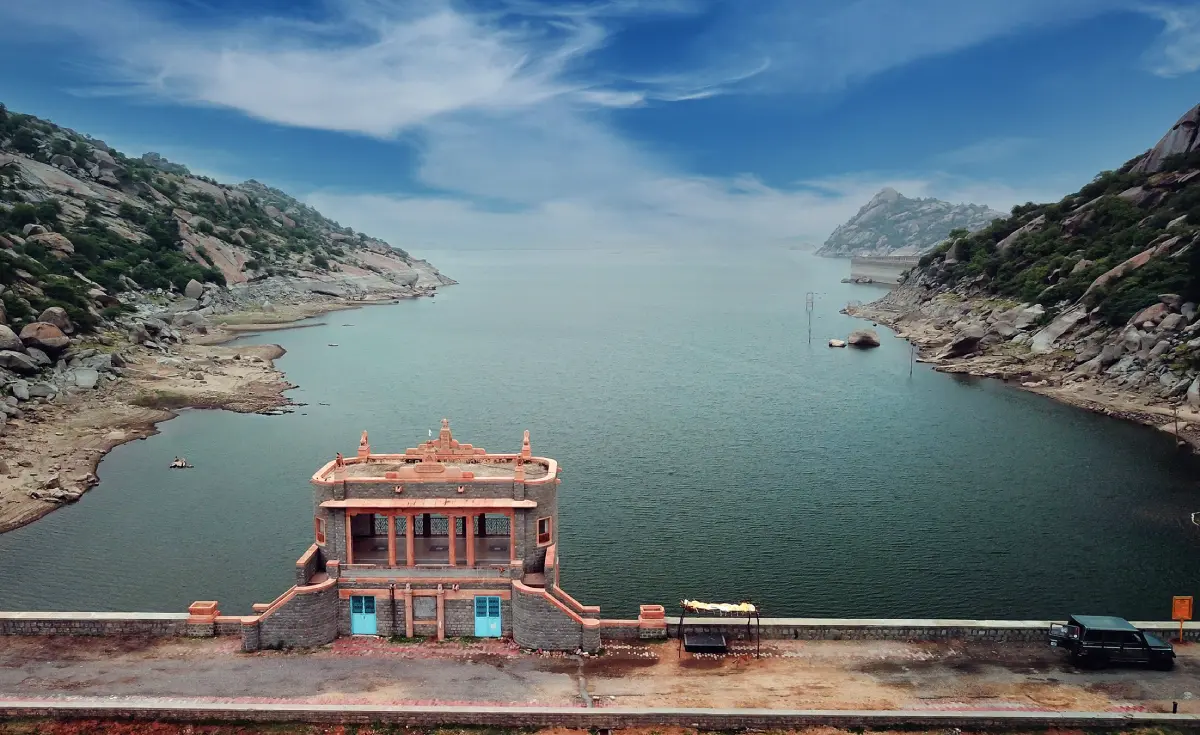
Jawai was not on the tourist map until a few years ago. The only site famous here was the Ranakpur Temple, located nearly 50 km away and Mount Abu, about 100 km away. Jawai is still not well known to the outside world and is mostly frequented by wildlife enthusiasts who come to admire the spotted big cat and vibrant birds! In 1946, Maharaja Umaid Singh of Jodhpur initiated the construction of a dam on the Jawai River to help farmers and supply water to the arid region. The fertile riverbank, which for millennia has supported all kinds of species, is punctuated by dramatic hills and wildly inhabited granite caves and peaks silhouetted against the sky, almost all of them marked by temples.
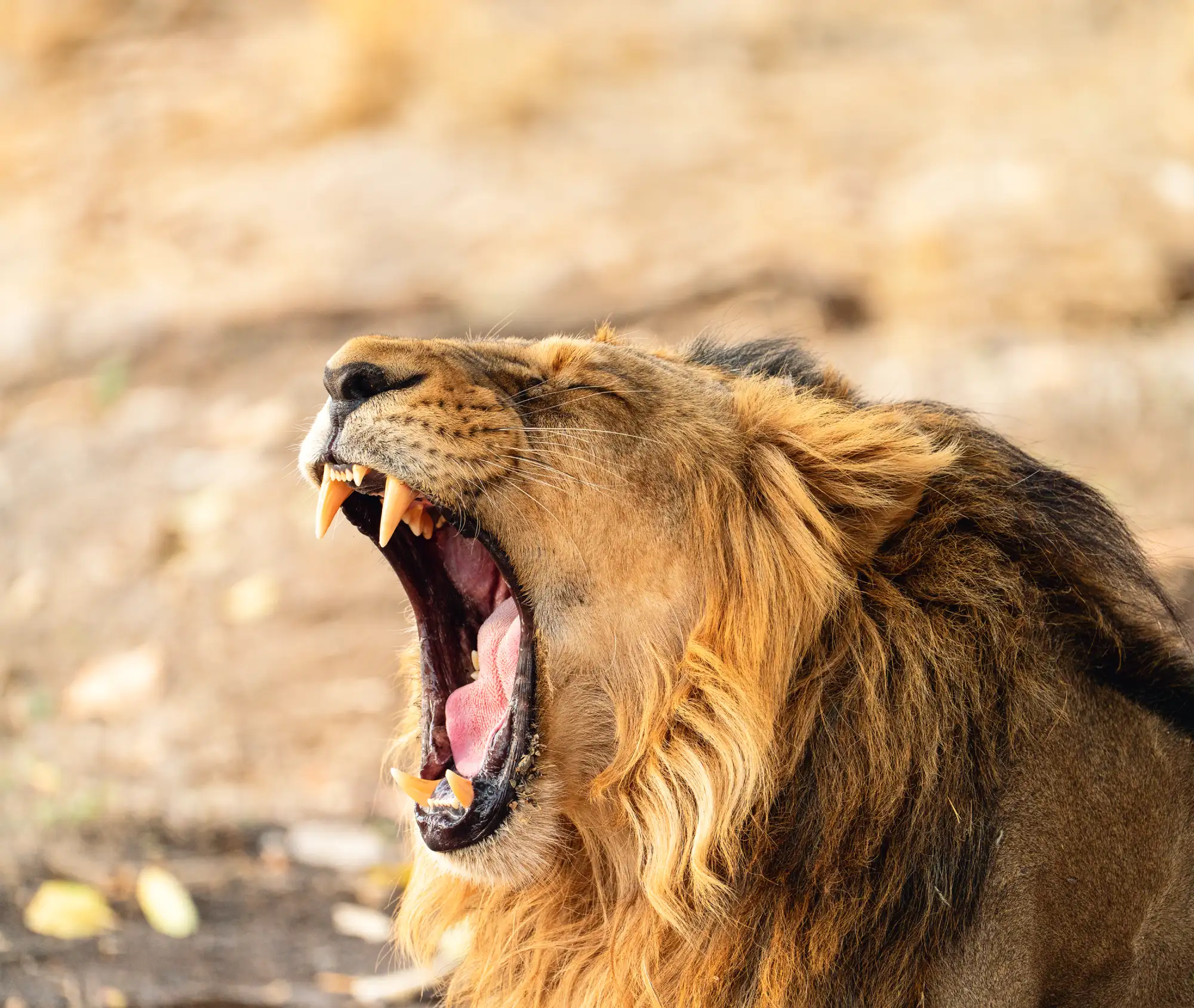
Through this country wander seminomadic herders and forest dwellers, following ancient routes that take them south into Gujarat and east into Madhya Pradesh. The leopards roam the area within the designated Jawai Bandh Conservation Reserve. With hardly any forest cover, they hide in the caves and are often found standing against the blazing red dusk sky, preparing for the night!
Leopard safaris are one of the top attractions in this region. The winter months (November to March) are ideal for catching a glimpse of the leopards as they emerge from their hideouts to laze around in the warmth of the sun. The region is also home to other animals like hyenas and some endangered smaller species of cats, among others.
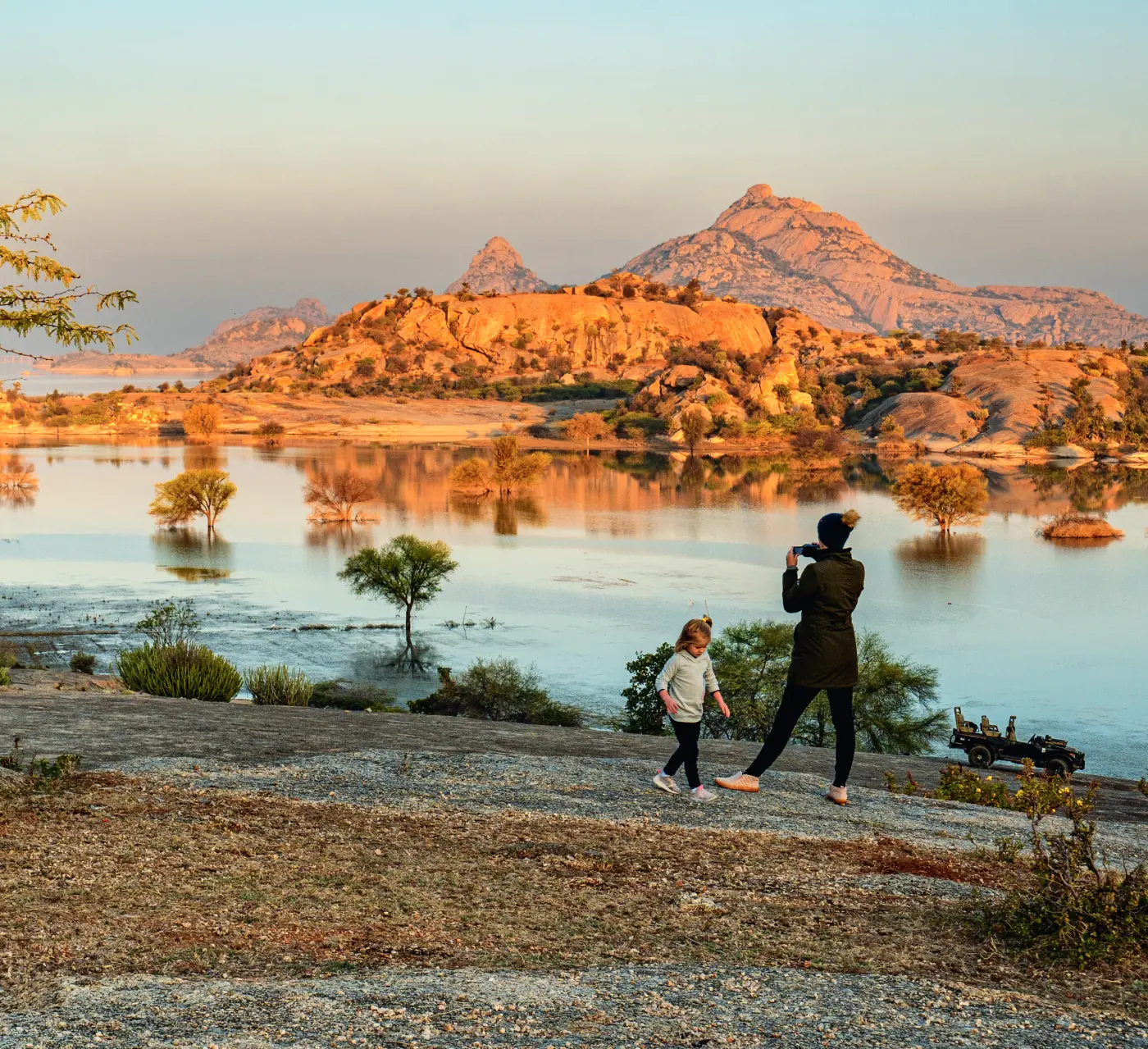
During the morning and evening safaris, the open-air 4×4 vehicles stop at the Jawai dam or bandh (known to be the biggest manmade dam in western Rajasthan), which is a spectacular sight, with a vast expanse of serene blue, its surface carpeted by various species of birds and basking crocodiles. The bird’seye view of the landscape from here is ethereal. Often, this is where evening safari guests are treated to a quiet sundowner — with packed refreshments.
Jawai is still not well-known to the outside world and is mostly frequented by wildlife enthusiasts who come to see the spotted big cat!
Local Eye
As a daughter of the region, I have always been conscious of the value of preserving biodiversity and natural resources. Jawai has been extremely close to my great-grandfather, the late Maharaja Umaid Singh of Marwar (Jodhpur), who developed it prior to India’s independence. Marwar is on rocky terrain that is the beginning of the desert, with scanty water, and my ancestors used the topography to their advantage by creating water harvesting units such as lakes, step-wells, and canals to replenish the groundwater for a civilisation to thrive in what is known as Marwar or Marudhar, translated as the “land of death.”
My journey towards eco-restoration goes back to 2006, when I was about 16 or 17 years old, on a piece of land in the tribal Godwad region of Jawai. This sacred grove is my refuge and we have been systematically organising organic water harvesting, replenishing groundwater and uprooting invasive species like Prosopis juliflora and replacing them with native desert plants. It’s our much-valued ‘Rewilding Jawai’ initiative. As part of this, we also train locals in art, craft, and hospitality.
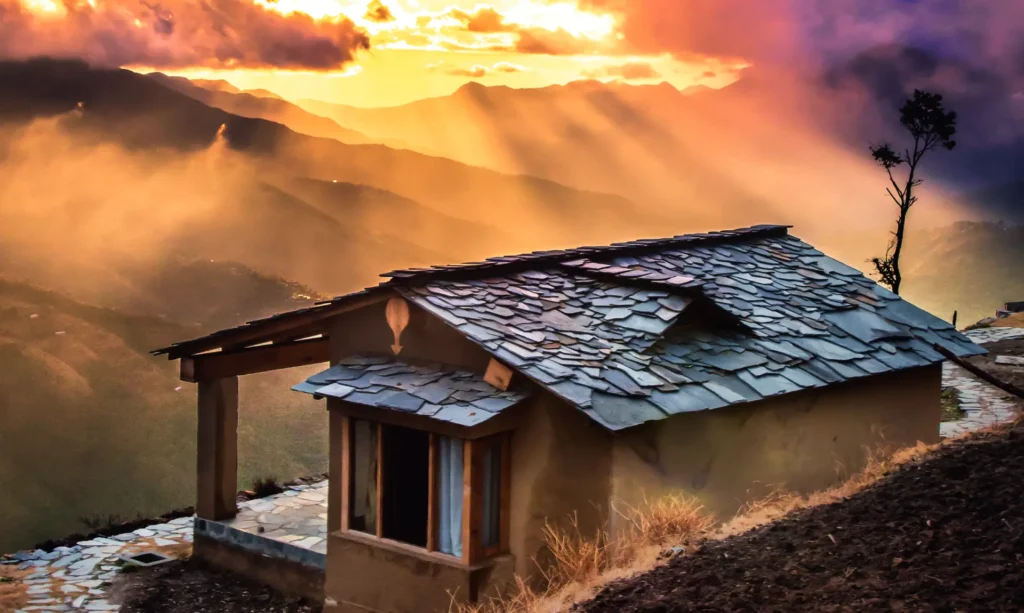
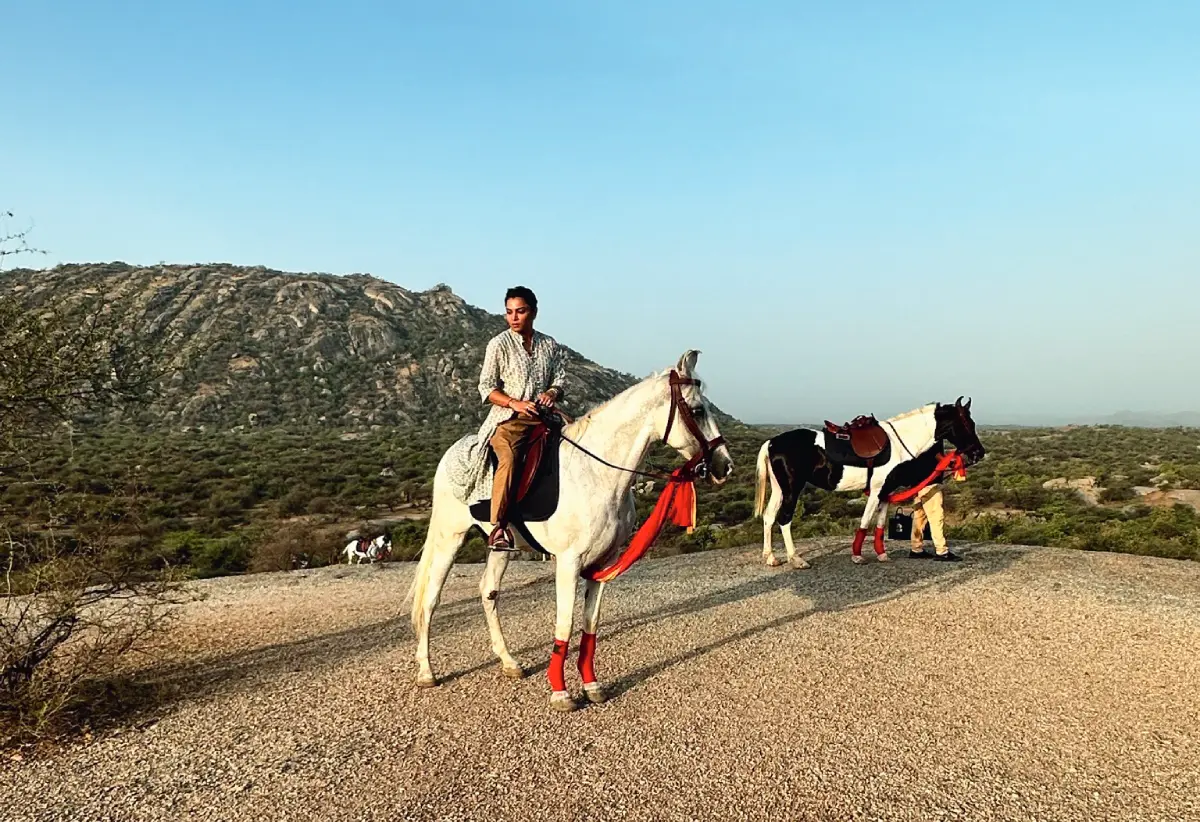
The community-run Bagheera’s Camp Rewilding Jawai Preserve, which we started at the foothills of Kambesh Mahadev near Jawai Bandh, is a sustainable property offering thrilling nature stays. You can explore wildlife on foot as we guide you on a walk through the wild. Be it breakfast by the lakes in the company of crocodiles or strolling through a lush garden and a private indigenous bush jungle, you can spot a variety of wildlife, including sloth bears, bats and leopards. Try the one-of-a-kind safari on indigenous Marwari horses, camels, and bullock-carts. Explore the nearby villages on foot to get a sense of local traditions, in addition to visiting the stunning Kambeshwar Mahadev cave temple and the step-well nearby.