



Supper at a Stranger’s
Restaurant dining is no longer the pinnacle of a gourmet experience. Young India is looking for intimate settings in people's homes.
The curation
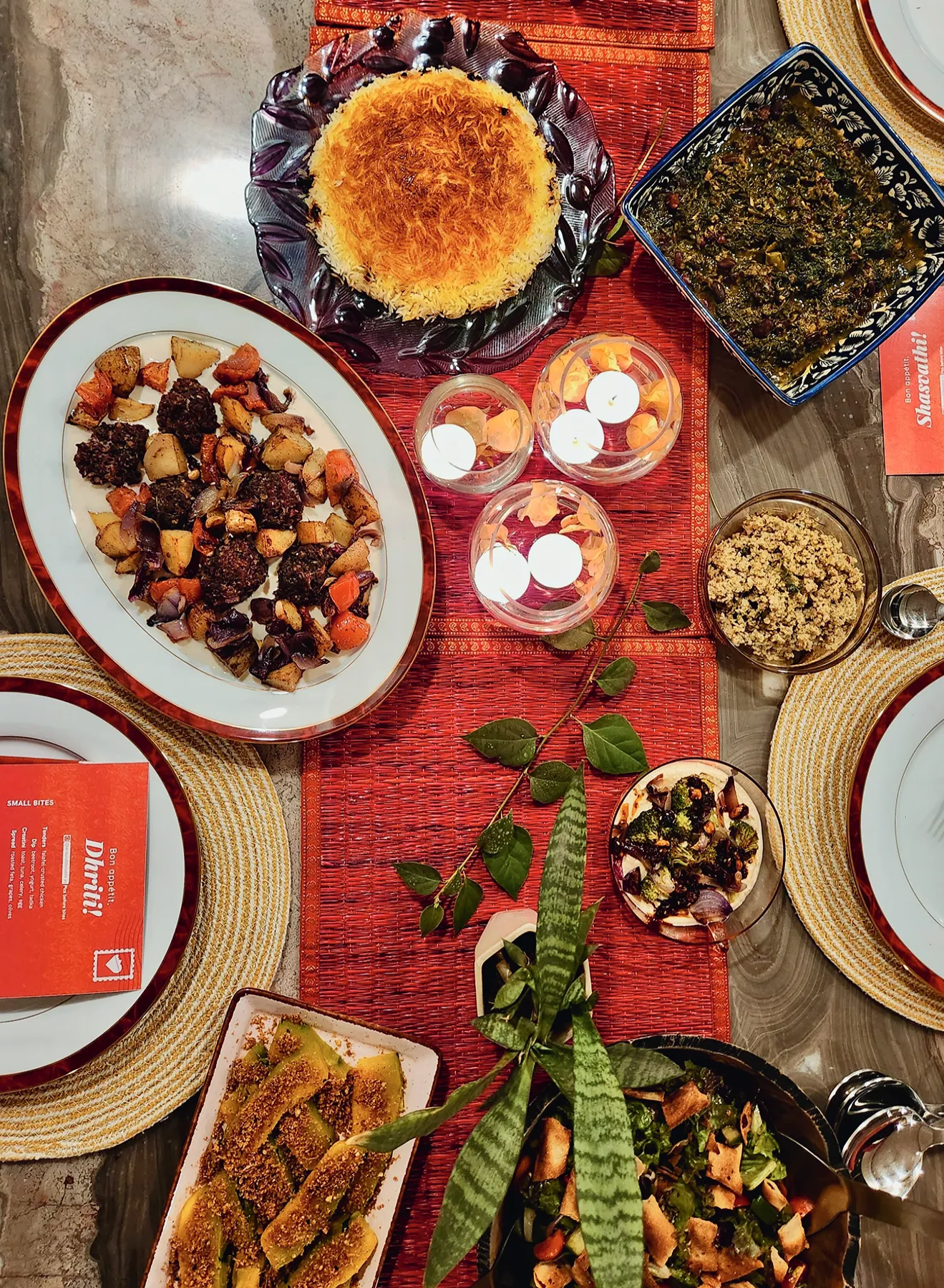
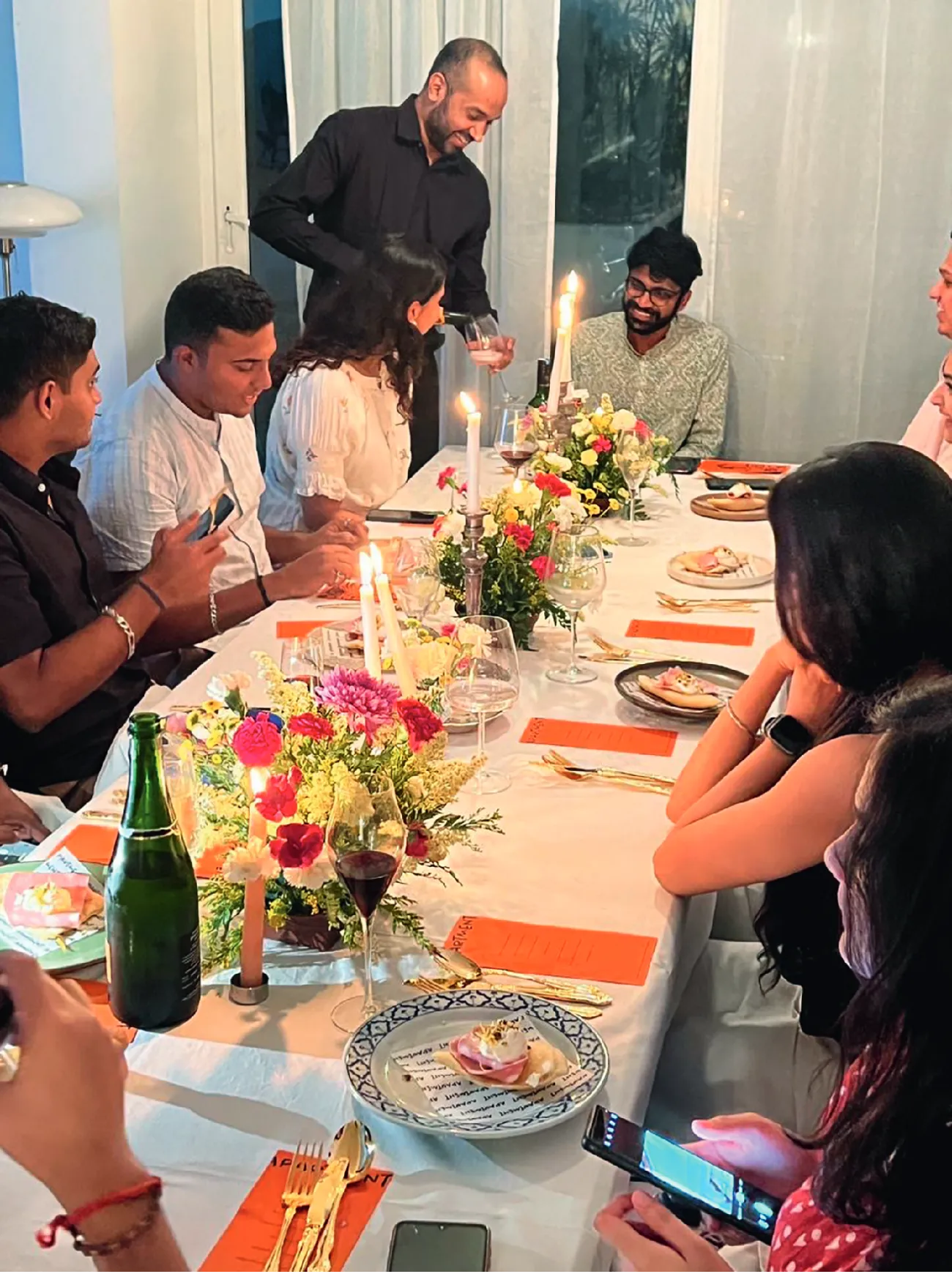
“In a world dominated by social media ‘friends’, supper clubs are a refreshing way to foster real connections. There is a sense of warmth and intimacy when strangers gather for a meal,” says Rukaiya Rangwala, who, along with her sister-in-law Ishita Desai, runs Around The Table, an intimate, invite-only, familystyle supper club. They aim to reclaim the magic of lively tables, slow dining, shared meals and scintillating conversations.
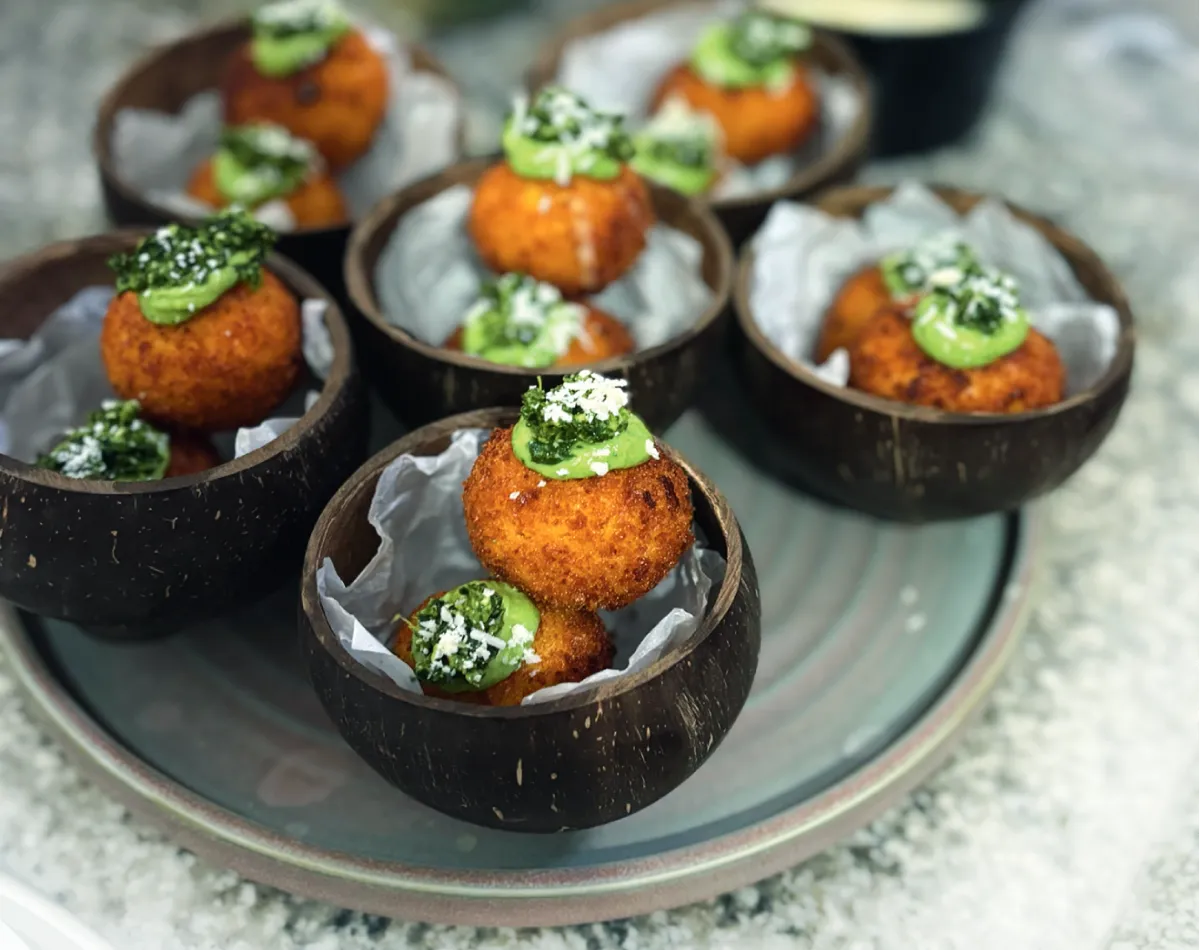
Agrees Kabeer Khan, who hosts homecooked feasts under his Awadh-inspired supper club Khan Paan. “My supper club is about indulgence. It’s not meant for people looking for a light bite, it’s a meal that makes you want to eat like there’s no tomorrow,” he shares, adding, “I try to make every element of the evening match the food — whether it’s the scent of candles, ghazals playing in the background, or flowers on the table.” He started his club in Mumbai, but now, with his profession as a communication specialist taking him to Bengaluru, Khan is restarting his dining experiences.
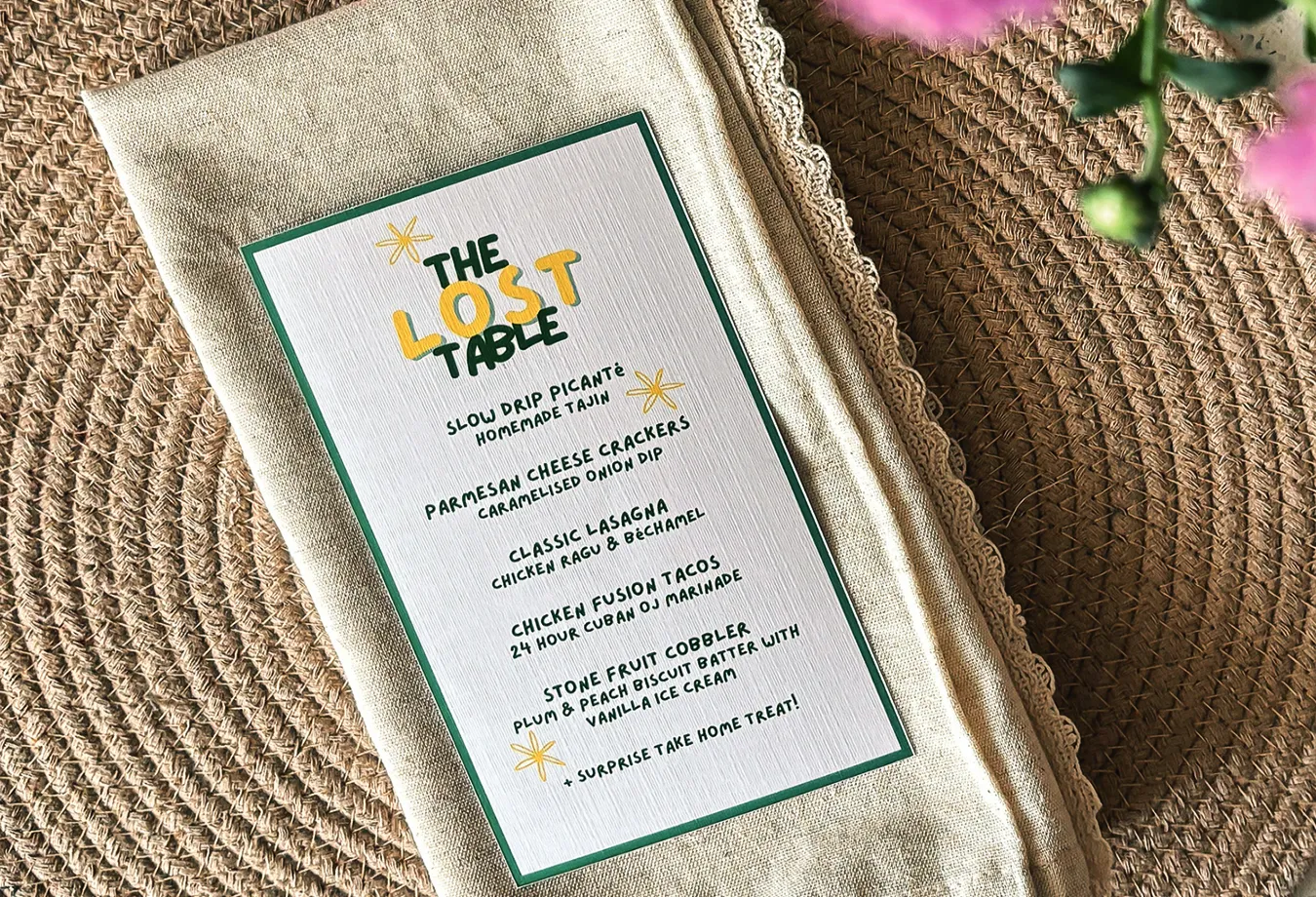
started The Lost Table as an extension of the food recipes and content she has been sharing on Instagram for years, says, “While in our past get-togethers we concentrated only on food — Turkish, Italian, and contemporary European — in our recent 12-person singles mixer, we brought together strangers, not just for a meal but for the possibility of connection in a way that a dating app never could.”
The concept
Hosted in the cosy settings of a home, and with limited guests, carefully curated menus and interesting themes, supper clubs are the next big thing in the Indian culinary scenario. A concept that was born in the US in 1930s, supper clubs celebrated hope and luxury after the period of Prohibition. But as large restaurants grew in popularity, the concept of intimate dining died, only to resurface after the pandemic and quickly spread across the globe. As the world re-emerged after forced isolation, people’s longing for good company and slow experiences increased, making supper clubs a subculture in the world of gastronomy. While restaurants are championing modern Indian cuisine and rediscovering regional recipes, home cooks and chefs are taking to supper clubs as a means to share their passion and skills with like-minded people. Cities such as Mumbai, Delhi and Bengaluru have become the epicentres of the supper club trend in India.
The connection
With curated experiences at their core, these supper clubs often serve a dual purpose: bringing people together over food and shared cultural interests. Gurugram-based Archit Agarwal, who along with his wife Natasha Ratti Kapoor friends and family expanded to become ticketed meals at home. While the cost of a seat at my table may match that of a fancy restaurant, what sets my meals apart is the personalised attention, which no restaurant can offer.” He adds, “It may be at my home, but the menu and how the whole experience is planned and executed is akin to any premium space. I pay extended attention to each of my guest.”
The shift toward experiential dining, where people are willing to take risks on unconventional food experiences, is only going to grow. “In major cities like London and New York, some supper clubs have become household names. India, too, will see a similar evolution in the format,” says Arora. Ratti Kapoor adds, “The way people eat is changing — there’s a growing craving for authenticity, storytelling, and connection. Supper clubs offer a space where diners aren’t just customers; they’re part of an experience, where every meal has a narrative and every guest has a role to play.”
The cost
Other than indulging in the pleasure of cooking and serving guests, is this setup a smart business deal? Explains Kaushalya Patil, who runs Ample in Pune from her home, “Ample gives me a creative platform where I can translate my art, research and experience with food into an edible experience. The format also allows me to experiment with my skills without bearing the cost of running a fancy restaurant.”
Says product designer Anurag Arora, who has been selling tickets to his special home meals since 2019, “What started as leisurely cooking for some unique meal experiences are even moving out in the open – parks, farms and a spring as well! In Goa, a family-owned feni brand Fazenda Cazulo organises experiential tasting tables in its estate. One of their most popular is the Floating Feni Experience in which a table is set in a private spring where guests can try local delicacies paired with feni under the shade of palm trees with their feet immersed in water. Floating Feni can be booked via Urbanaut app. “These experiences cultivate great conversations and even lasting friendships. At these gatherings, feni and food are not the topics of conversation, but instead encourage a deeper connection for the guests and the host,” says the brand.